
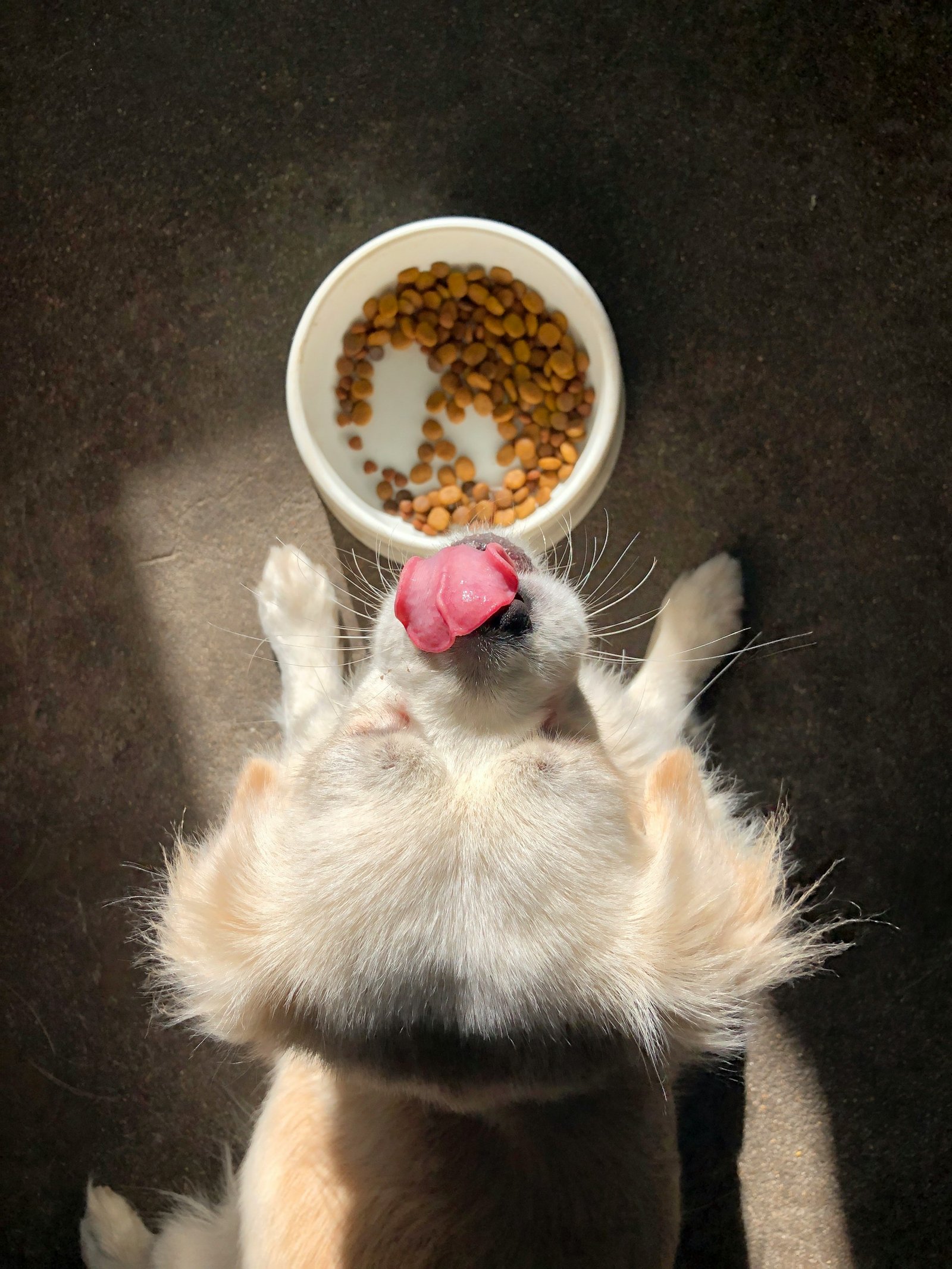
Choosing dog food sounds like it should be easy. Walk into any pet shop though, and suddenly every bag is making the same promises. Better digestion. Healthy skin. Strong muscles. Premium ingredients. Natural recipe. After looking at five or six brands, they all start blending together.
The truth is, some dog foods really are made with quality ingredients and careful nutrition in mind. Others are built around keeping production costs as low as possible. That’s where things get a little more complicated, because the difference isn’t always obvious until the bag gets turned over. The front sells the product. The back tells the real story.
The Label Says a Lot… If You Know What You’re Looking At
Most people aren’t standing in the pet food aisle reading every ingredient. Life doesn’t really work like that. But spending another minute looking at the label can make a bigger difference than comparing flashy marketing claims. The first ingredient is usually a good place to start.
If it’s chicken, beef, lamb or salmon, that’s generally a good sign. If the list begins with fillers or ingredients that sound vague, it’s worth slowing down before throwing the bag into the trolley.
That doesn’t mean every food containing corn or wheat is automatically unhealthy. The internet has made those ingredients sound like villains, when the reality is a bit more balanced. The issue is when they’re doing most of the work while quality protein takes a back seat. That’s a different conversation.
Little Things Add Up
Poor-quality food doesn’t usually make a healthy dog ill overnight. That’s probably why people don’t notice it straight away. Instead, it’s the small things.
- The coat isn’t quite as shiny.
- The dog seems hungry all the time.
- Digestion becomes unpredictable.
- Scratching becomes more frequent.
- Energy drops a little.
None of those signs automatically point to food, of course. Dogs can develop skin allergies, stomach problems or health conditions for lots of reasons. But food is one of the easiest things to look at first because it’s something they’re eating every single day.
Protein Isn’t Just About the Number
One mistake people make is looking only at the protein percentage. Twenty-eight per cent protein sounds impressive. But where is that protein actually coming from? That’s the part that matters.
Clearly named meats generally provide better nutrition than vague ingredients like animal by-products or unspecified meat meals. Two bags can have exactly the same protein percentage and still be very different in terms of ingredient quality. Marketing doesn’t usually explain that. The ingredient list does.
There Are a Few Things Worth Checking
Nobody needs to become a pet nutrition expert overnight. A few quick checks are usually enough.
- Look for a named meat near the top of the ingredient list.
- Don’t get distracted by words like “premium” or “gourmet.”
- Be cautious if artificial colours appear throughout the recipe.
- Check whether the food is appropriate for your dog’s age and activity level.
- If the ingredient list is difficult to understand, there’s nothing wrong with asking questions before buying it.
Simple habits like these tend to be more useful than chasing whatever diet happens to be trending online.

Something Most Owners Never Think About
Here’s something that surprises a lot of people. Many dog food brands don’t actually manufacture their own products. The recipes may belong to the brand, but production often happens in specialist facilities that produce food for several different companies.
That’s completely normal. In fact, some of the biggest names in the industry use this model. The important part isn’t whether the company owns a factory. It’s how seriously that factory takes quality control.
Good manufacturers test ingredients, monitor production, follow food safety procedures and maintain consistency from one batch to the next. That’s one reason many brands choose experienced white label dog food manufacturers instead of trying to build production facilities from scratch.
The name on the packet is only part of the picture. How the food is made matters too?
Don’t Let the Price Decide Everything
There’s a common assumption that the most expensive dog food must automatically be the healthiest. Not always. Some affordable brands have surprisingly good ingredient lists. Some expensive ones rely heavily on clever branding and attractive packaging. Price is one piece of the puzzle, but it shouldn’t be the deciding factor.
Reading the ingredients usually tells a much more honest story than the price tag does.
Social Media Has Made Pet Nutrition More Confusing
Spend ten minutes online and there’ll be someone saying kibble is terrible. A few posts later, someone insists grain-free is the only healthy option. Then another video claims every commercial dog food is full of chemicals.
It’s exhausting. The reality is much different. Most healthy dogs simply need balanced nutrition, appropriate protein, sensible portions and food that’s produced under reliable quality standards. Veterinary nutrition experts have been saying the same thing for years, even if it isn’t as attention-grabbing as social media debates.
At the end of the day, dogs aren’t interested in marketing claims, glossy packaging or buzzwords. They care about what’s in the bowl. That’s really what owners should be paying attention to as well.
A couple of extra minutes reading the label today could save a lot of problems later. And honestly, that’s a much better investment than choosing a bag simply because the front made the biggest promises.