Luxury design is usually something people decide on almost instantly. A space feels expensive, or it doesn’t. Most of it is happening through choices that aren’t obvious unless you’re actually looking for them. The materials, the structure, the way things are built, and how much attention has gone into making everything last longer than it needs to.
A simple-looking interior or product is often the one that took the most effort to get right. Not because it looks complicated, but because it has to work perfectly without showing any of that effort. At its core, luxury isn’t really about decoration. It’s closer to trust. How something behaves when it’s used every day. Whether it still feels solid after years of handling.
Material Quality and How It Feels Without Explaining Itself
One of the things that separates higher-end design is something most people don’t even consciously notice at first: the way materials feel. Some materials just feel different. Not in an obvious way, but in a subtle, almost physical sense. Silk moves with light instead of sitting flat. Wool and cashmere feel warmer. Even stone and timber have this small unpredictability in tone and texture that makes them feel less “made” and more natural.
Marble is a good example of that. No two slabs are the same. The veining is never perfectly controlled, and that variation is part of why it’s valued so highly. Encyclopaedia Britannica notes that marble’s structure and natural patterns are what make it both durable and visually distinct.
A big part of the cost comes from the selection. Not everything that’s extracted or produced actually makes it into a finished space. A lot of it gets rejected long before it’s ever seen.
Minimalism Looks Easy Until It Isn’t
Minimalist design often gives the impression that things are simpler or cheaper to make. Fewer elements, cleaner surfaces, less visual noise. But in practice, it’s usually the opposite. When a design is stripped back, there’s nowhere to hide mistakes. A slightly uneven edge, a weak join, or a surface that isn’t perfectly finished stands out immediately. There’s no pattern or decoration to distract from it. That’s why minimal spaces depend so heavily on precision. Everything has to be intentional. Even the smallest detail matters more because it’s exposed. And in architecture especially, simplicity still sits on top of complex engineering.
Why Some Materials Don’t Just Age, They Improve
Not all materials behave the same way over time. Cheaper ones tend to break down in obvious ways. They fade, crack, lose shape, or start to feel worn out in a way that can’t really be fixed. Better materials don’t just resist that process; they change more gracefully.
Leather softens and gains character. Timber shifts in tone but stays strong. Even certain metals don’t just corrode or fail; they develop a surface change that becomes part of their identity while still doing their job underneath. This slow transformation is one of the reasons luxury is often seen differently. It’s not just about how something looks when it’s new, but how it lives over time. That’s also why higher-quality materials are usually thought of as long-term value rather than short-term purchase decisions.
The Part You Never Actually See
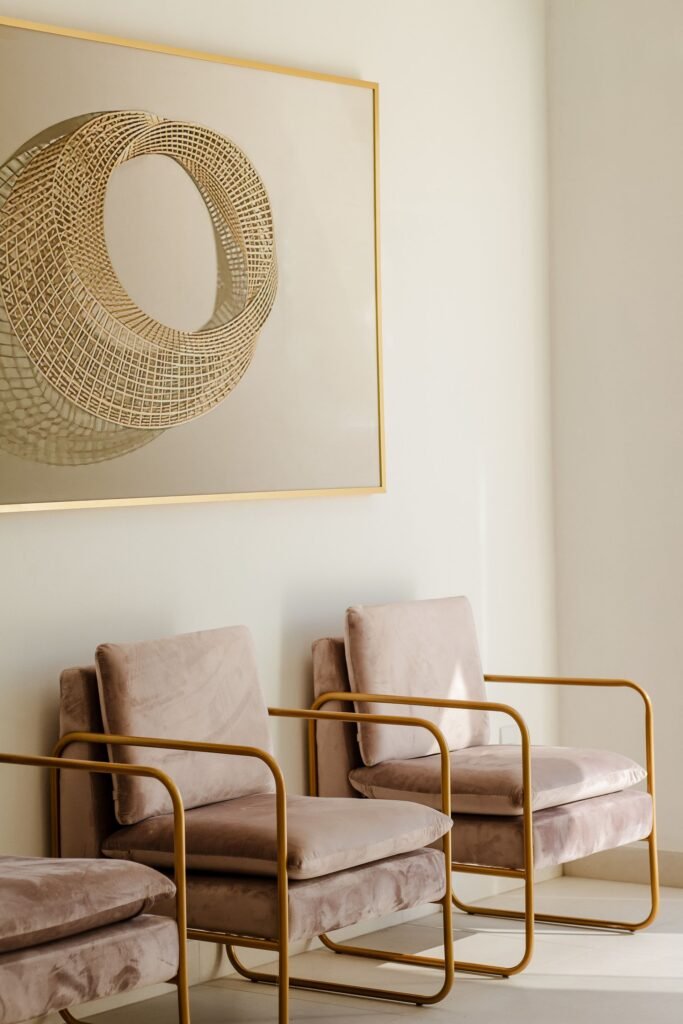
A large part of luxury design exists in places that most people will never notice or think about. Behind smooth surfaces and clean lines, there’s usually a hidden structure doing the actual work.
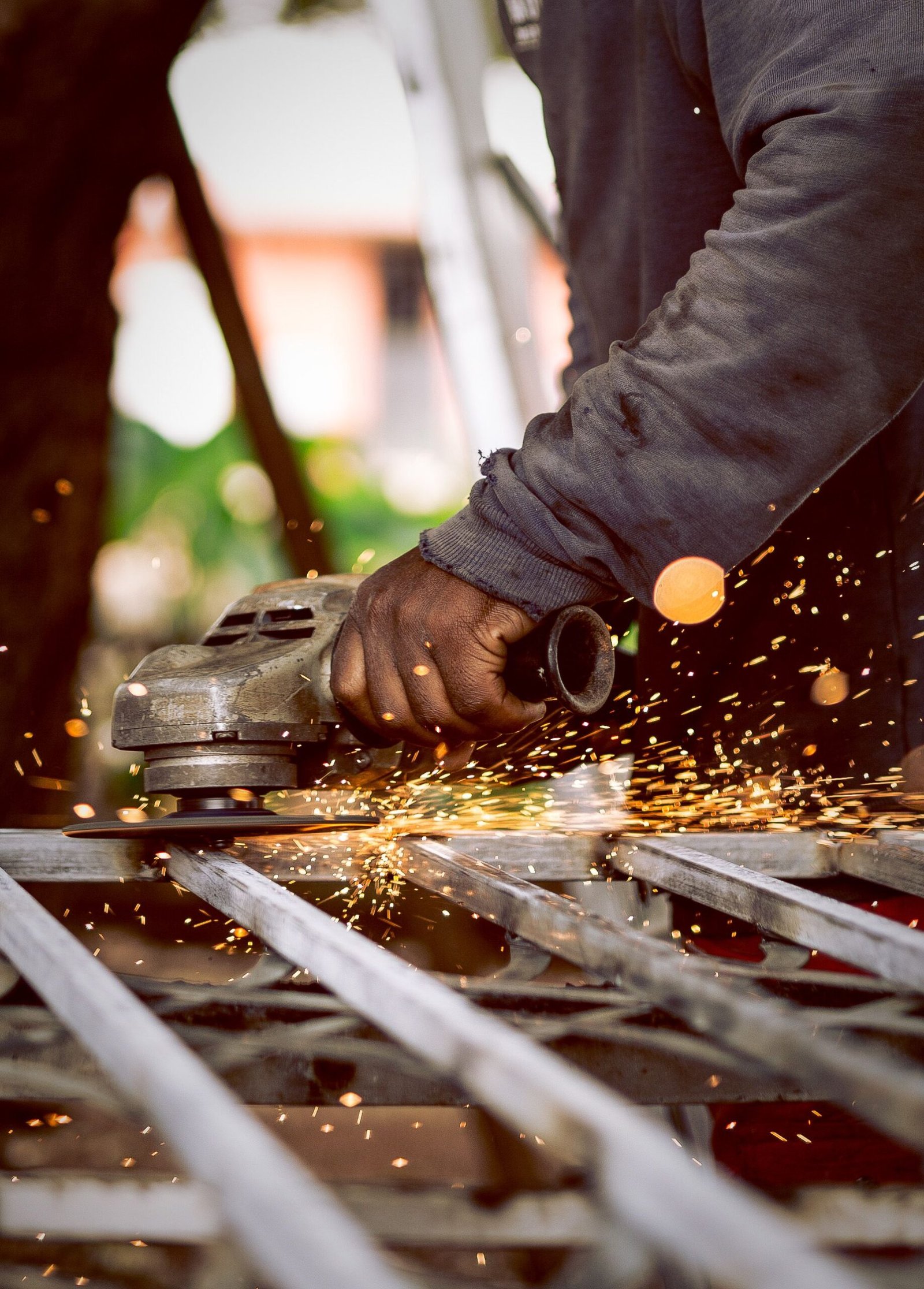
In many construction systems, components like stainless steel flat bar are used inside frameworks to provide strength, stability, and load support without affecting how anything looks from the outside. These aren’t design features in the visible sense. They’re functional layers that exist so the visible parts can stay clean, minimal, and stable over time. This is a standard approach in modern construction, especially with stainless steel, which is widely used because of its strength and resistance to corrosion.
Why Quality Control Raises the Cost So Much
There’s also a side of luxury production that rarely gets talked about: how much is actually rejected. Natural materials are inconsistent by nature. Wood grain varies, stone patterns differ, and fabrics don’t come out identical across batches. Because of that, a lot of material never makes it into final production. It gets set aside simply because it doesn’t meet the standard.
On top of that, there’s still a heavy reliance on skilled human work. Machines can speed things up, but they can’t fully replace the judgment needed when working with materials that don’t behave perfectly. That kind of attention takes time, and time always shows up in cost. So what’s being paid for isn’t just what gets used but also what didn’t make it through.
Conclusion
Luxury design doesn’t really come from what is immediately visible. It comes from everything that supports it quietly in the background.
The materials chosen, the engineering hidden underneath, the level of care in production – all of it adds up to something that looks simple only because so much effort has been spent making it feel that way. And in most cases, the quieter something feels, the more work it took to get there.