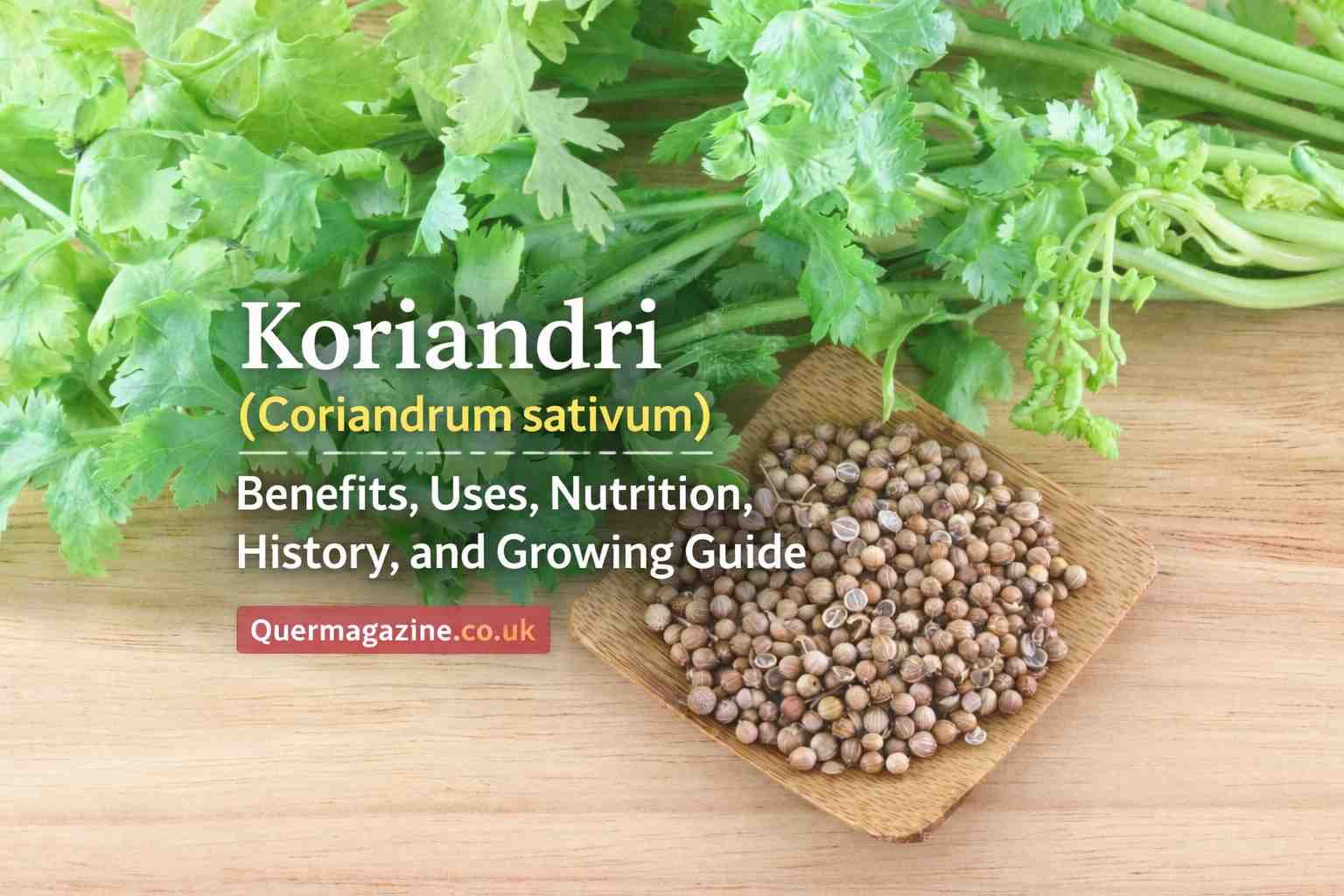
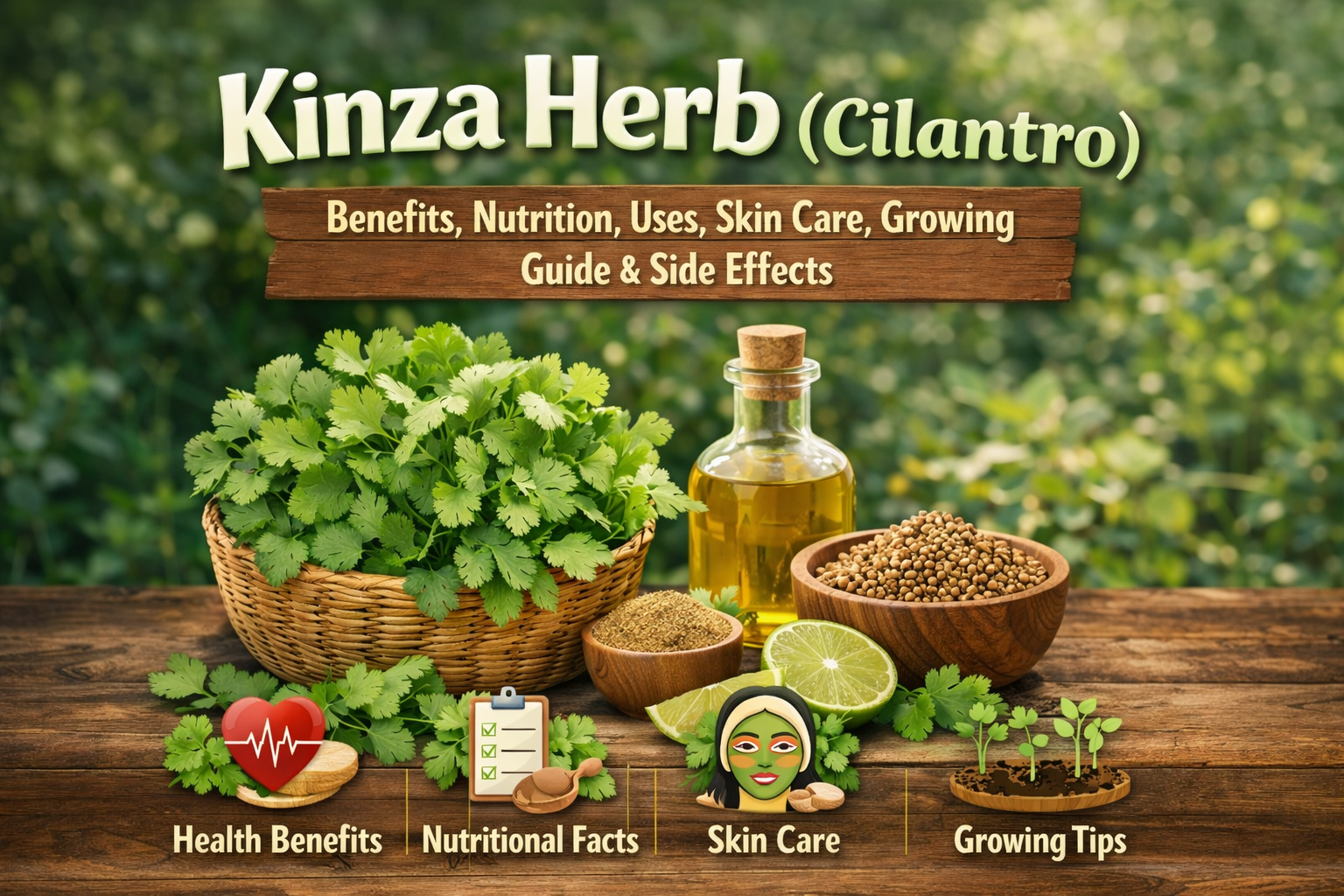
Kinza herb — widely known as cilantro or coriander leaves — is one of the most versatile, flavorful, and health-promoting herbs in the world. From ancient medicine and global cuisines to modern nutrition science, kinza has a long, nourishing legacy that few herbs can rival.
In this guide, we explore everything you need to know about kinza: its botanical identity, taste profile, science-backed health benefits, culinary uses, skincare potential, how to grow it at home, and important safety tips.
What Is Kinza Herb?
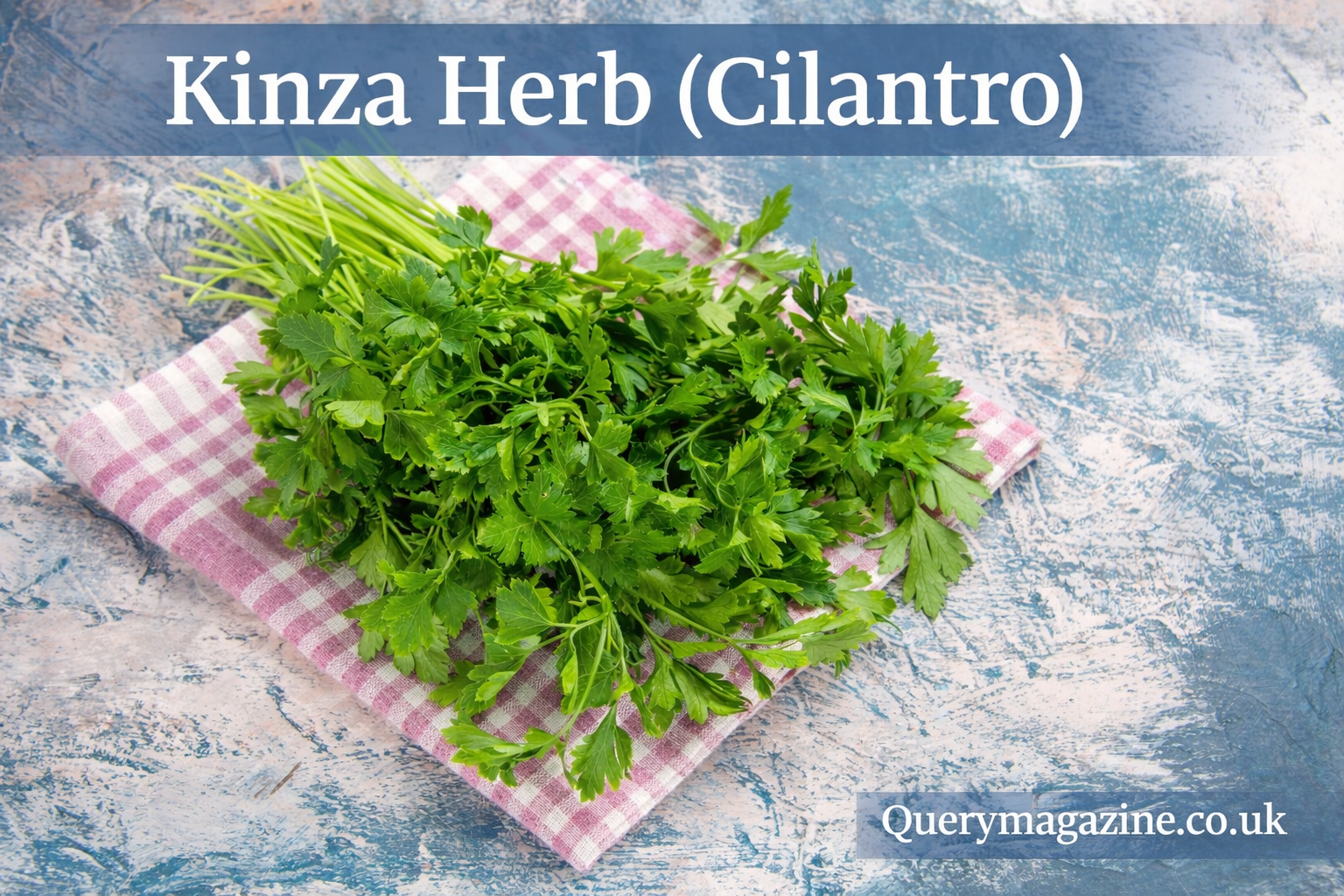
Kinza refers to the leafy green part of the Coriandrum sativum plant — the same plant that produces coriander seeds. In many parts of the Middle East, Central Asia, and Eastern Europe, the fresh leaves are called “kinza,” while in the U.S., they are commonly referred to as cilantro and in the U.K. simply as coriander leaves.
Scientific Name and Plant Classification
- Botanical name: Coriandrum sativum
- Family: Apiaceae (same family as parsley, dill, and carrots)
- Common names: kinza, cilantro, coriander leaves
Kinza is an annual herb — meaning it completes its life cycle in one growing season — and is celebrated for both its culinary flavor and nutritional benefits.
Kinza vs Cilantro vs Coriander – What’s the Difference?
Though the terms are often used interchangeably, here’s how they differ:
- Kinza / Cilantro: Fresh green leaves of Coriandrum sativum
- Coriander seeds: Dried seeds of the same plant used as spice
- Coriander: In many countries including the U.K., the word covers the entire plant
This distinction helps explain why recipes may list “cilantro” in one country and “coriander leaves” in another — yet they refer to the same herb.
What Does Kinza Taste Like? (Why It Tastes Like Soap to Some People)
Kinza’s flavor is often described as:
- Bright and citrus-like
- Herbaceous and fresh
- Slightly peppery
However, about 10–15% of people perceive its taste as soapy or unpleasant. This isn’t a sign of spoilage — it’s due to a genetic variant in olfactory receptors that alters how specific aromatic compounds (aldehydes) are detected.
History and Origin of Kinza Herb
Kinza’s roots go back thousands of years. Archaeological evidence suggests that coriander was cultivated as early as 5000 BCE in ancient Mesopotamia and Egypt, where both the seeds and leaves were used in food and traditional remedies.
Mediterranean & Western Asian Roots
The Mediterranean basin and Western Asia are believed to be the herb’s original home. It was so valuable in ancient Egypt that coriander has been discovered in tombs of pharaohs, indicating its ceremonial and medicinal importance.
Spread Across Cultures
Over centuries, kinza spread via trade routes to Europe, Africa, South Asia, and the Americas — eventually becoming integral to:
- Mexican salsas and guacamole
- Indian chutneys and curries
- Middle Eastern salads and pickles
- Southeast Asian soups and herbs mixes
Across cultures, kinza has been valued not just for its flavor but for its nutritional and medicinal properties.
Nutritional Value of Kinza Herb
Though kinza is usually consumed in small amounts, it packs an impressive nutritional profile.
Micronutrients and Phytonutrients
According to nutrition data, raw cilantro (kinza) contains calories and nutrients per 16 g (about one cup):
- Calories: ~3.68 kcal
- Vitamin A
- Vitamin C
- Vitamin K
- Folate
- Potassium
- Trace minerals including manganese and choline
Other sources report that kinza can be especially rich in vitamins A and K compared with many herbs, making it a potent antioxidant source.
Active Plant Compounds
Kinza contains bioactive compounds such as:
- Quercetin: antioxidant and anti-inflammatory
- Beta-carotene: precursor to vitamin A
- Linalool: contributes to its aroma and possible health effects
- Phytonutrients: plant chemicals with potential protective roles
Although kinza is not typically a primary nutrient source due to small serving sizes, adding it to meals boosts antioxidant intake without adding calories.
ALSO READ ON: Joguart: The Ultimate Guide to Gut‑Boosting, Nutrient‑Rich Yogurt for Health, Wellness, and Culinary Innovation
Proven Health Benefits of Kinza Herb
Research on kinza (cilantro/coriander) and related plant compounds suggests a range of potential health benefits:
1. Supports Digestion and Gut Health
Kinza has traditionally been used to stimulate digestion and ease bloating. Certain compounds may help promote digestive enzyme activity, reducing flatulence and discomfort, especially after heavy meals.
2. Helps Regulate Blood Sugar Levels
Several studies, including animal research, indicate kinza and coriander extracts may help lower blood glucose and support insulin sensitivity — making it potentially valuable for people managing type 2 diabetes as part of balanced nutrition.
3. Heart and Cholesterol Health
Kinza is rich in antioxidants and phytochemicals that may help lower LDL (“bad”) cholesterol and support heart health. These compounds can reduce oxidative stress and promote better blood lipid profiles when combined with healthy lifestyle habits.
4. Anti-Inflammatory and Antioxidant Properties
The herb’s flavonoids and phenolic compounds may help reduce inflammation and protect cells from oxidative stress — factors linked with chronic diseases such as heart disease and diabetes.
5. Antimicrobial and Immune Support
Kinza contains compounds like dodecenal that have shown antimicrobial activity against certain bacteria, including those causing foodborne illness. However, evidence in humans is limited and more studies are needed.
6. Brain Health and Cognitive Support
Emerging animal research suggests kinza extract may have neuroprotective effects, potentially reducing inflammatory processes in the brain. Human studies are ongoing.
7. Traditional Detoxification Uses
Although traditional medicine often uses cilantro as a “detox” herb — particularly to chelate or bind heavy metals like lead and mercury — scientific evidence in humans is limited. Animal and cell studies show binding potential, but this mechanism does not necessarily translate directly to measurable human heavy-metal removal without further research.
Skin Benefits of Kinza Herb
Beyond food, kinza also offers potential skincare benefits due to its nutrient and antioxidant content.
Kinza for Acne and Blemishes
Antimicrobial and anti-inflammatory properties may help reduce acne redness and fight acne-causing microbes when used topically — but patch testing is essential before widespread use.
Anti-Aging and Antioxidant Protection
Antioxidants in kinza help protect skin cells from oxidative damage, which can contribute to fine lines and uneven texture.
Natural Hydration and Glow
Micronutrients in kinza may support skin hydration and radiance when used in masks or toners.
Managing Eczema and Fungal Conditions
Traditional use suggests kinza can calm irritation and support minor skin conditions, though clinical studies are limited.
Culinary Uses of Kinza Around the World
Kinza’s bright flavor and aromatic profile make it a beloved ingredient globally:
Middle Eastern Cuisine
- In salads like tabbouleh
- Mixed into yogurt sauces
- As garnish on kebabs
Latin American Favorites
- Pico de gallo
- Guacamole
- Cilantro lime rice
South Asian Recipes
- Chutneys
- Curries
- Raita and biryanis
Fresh vs Dried Kinza — Which Is Better?
Fresh kinza delivers a vibrant taste and higher vitamin content, while dried kinza still adds flavor in cooked dishes.
How to Use Kinza for Wellness
Kinza isn’t just for savory dishes — it can be used in teas and herbal beverages too:
Kinza Tea
Steep fresh leaves in hot water for a mild herbal infusion that may support digestion.
Smoothies and Juices
Blend kinza with fruits and citrus for refreshing nutrient boosts.
Herbal Detox Drinks
Kinza pairs well with cucumber, mint, and lemon in detox beverages — though remember that health claims should be presented cautiously.
How to Grow Kinza at Home
Kinza is one of the easiest herbs to grow, even for beginners.
Indoor Growing Guide
- Use well-drained pots
- Place near a sunny window
- Keep soil evenly moist
Outdoor Gardening Tips
- Sow seeds in spring or fall
- Provide at least 4–6 hours of sunlight
- Thin seedlings for airflow
Ready harvest can occur in about 3–4 weeks after sowing.
How to Store and Preserve Kinza
Proper storage extends kinza’s shelf-life and flavor.
Refrigerator Method
Wrap kinza in a damp paper towel and seal in a container.
Freezing Kinza
Chop and freeze in ice cube trays with water or olive oil for later use.
Drying Kinza Leaves
Hang to dry, then crumble into airtight jars.
Storing Coriander Seeds
Keep seeds in a cool, dark pantry for optimal spice flavor retention.
Side Effects, Safety, and Who Should Avoid Kinza
Although generally safe, kinza can cause issues in some individuals.
Allergic Reactions
Rare allergic responses like skin rash or hives can occur. Discontinue use if symptoms appear.
Blood Sugar and Medication Interactions
Kinza may help lower blood sugar, so those taking glucose-lowering medications should monitor levels carefully.
Pregnancy and Breastfeeding
There’s limited research on high medicinal doses of kinza during pregnancy or breastfeeding; consult a healthcare provider if considering therapeutic use.
Who Should Avoid Kinza?
- Individuals with allergies to parsley/dill family
- Those with severe digestive sensitivities
Common Myths About Kinza Herb
Does Kinza Really Detox Heavy Metals?
While animal studies show binding potential, strong clinical evidence in humans is still lacking.
Is Kinza Only a Garnish?
Absolutely not. Kinza is a flavorful, nutrient-rich herb with versatile culinary and wellness applications.
Why Does Kinza Taste Like Soap?
A genetic variant affects how some people perceive kinza’s aromatic compounds, making it taste soapy — a sensory difference, not spoilage.
Frequently Asked Questions (FAQ)
Is kinza the same as coriander?
Yes — kinza refers to the leaves, and coriander often refers to the seeds.
Can you eat kinza every day?
For most people, yes — but avoid excessive amounts if you have allergies or take blood sugar medication.
Does kinza help with digestion?
Traditionally, kinza has been used to soothe digestive discomfort and promote enzyme activity.
Final Thoughts — Why Kinza Herb Deserves a Place in Your Kitchen
From ancient civilizations to modern kitchens, kinza herb continues to be cherished for its distinctive flavor, rich nutrients, and potential health benefits. Whether you use it in curries, salads, teas, or skin masks, this humble herb packs remarkable value. Embrace kinza in your meals, gardens, and wellness routines — and discover why it’s more than just a garnish.
ALSO READ ON: Klemroot: Complete Guide to Health Benefits, Nutrition, Recipes, and Safety