1. Introduction: What Happened at Ilford Station?
On the evening of 4 December 2024, a shocking incident occurred at Ilford Elizabeth Line station in East London. A 61‑year‑old railway worker, Jorge Ortega, suffered severe head injuries during an assault while on duty. He later died in hospital, prompting a significant police investigation and legal proceedings that drew national media attention.
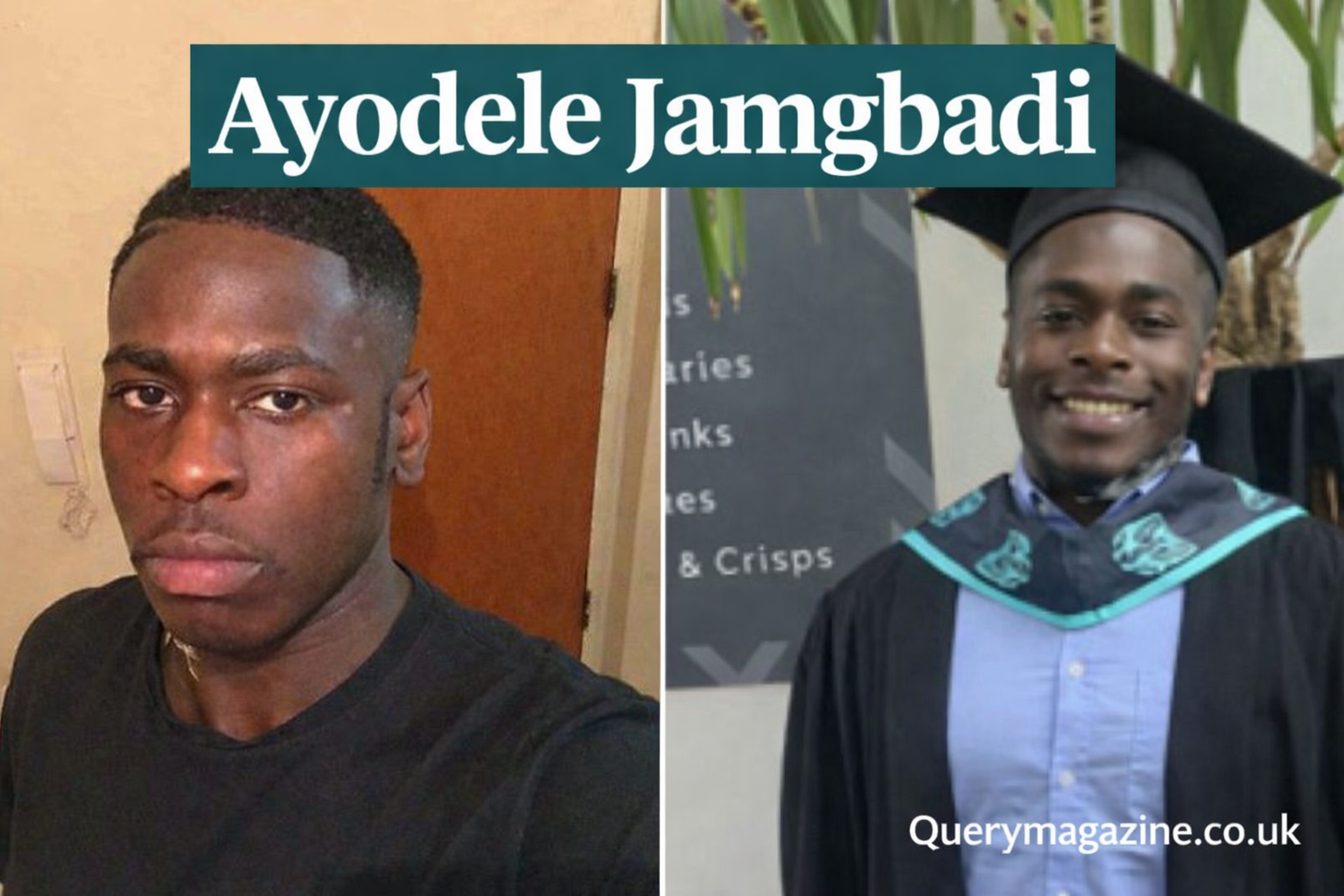
The individual arrested at the scene was identified as 28‑year‑old Ayodele Jamgbadi, a resident of Kingston Road, Ilford. What followed was a complex legal case that sparked intense discussion about public safety, worker protection, and violent crime in public spaces.
2. Who Was Jorge Ortega? A Tribute to a Dedicated Worker
Before discussing the legal case, it’s important to remember the victim, Jorge Ortega. Ortega was a long‑serving customer experience assistant for the MTR Elizabeth Line, part of London’s high‑capacity commuter network. His colleagues and family described him as a devoted husband, father, and grandfather who was known for his kindness, generosity, and dedication to his work.
His family’s public tributes highlighted not only his professionalism but also his warmth and artistic interests — passions that marked his life far beyond his role at the station.
3. Who Is Ayodele Jamgbadi? What’s Publicly Known
Despite widespread curiosity, there is very limited publicly verified information about Ayodele Jamgbadi’s life outside of the legal context:
- He is a 28‑year‑old man living in Ilford, East London at the time of the incident.
- Beyond the criminal case, no confirmed details about his schooling, employment, business career, or personal background are available in reputable news or public records.
It’s critical to distinguish factual reporting from speculation: online articles that describe him as a tech entrepreneur or social leader have no corroborated sources and do not appear in mainstream or credible news outlets.
4. Timeline of Events: December 2024 to January 2025
Here is a concise timeline based on police reports and court records:
| Date | Event |
| 4 Dec 2024 | Assault at Ilford Elizabeth Line station — Jorge Ortega injured. |
| 5 Dec 2024 | Ortega dies in hospital. |
| 7 Dec 2024 | Jamgbadi initially charged with grievous bodily harm and affray. |
| 24 Dec 2024 | Charges upgraded to murder and affray after Ortega’s death. |
| 7 Jan 2025 | Jamgbadi appears at Inner London Crown Court. |
5. Legal Proceedings: What Charges Does He Face?
After the initial arrest, British Transport Police pursued a case against Jamgbadi that went beyond the original accusations of grievous bodily harm.
Once Jorge Ortega passed away from his head injuries, the prosecution amended the charges to include murder and affray, reflecting the severity of the incident. He was remanded in custody ahead of a full trial before the Inner London Crown Court.
At this stage, legal proceedings are ongoing, the defense and prosecution have yet to present full arguments, and no verdict has been reported in verified sources.
6. Public Reaction: Safety, Outrage, and Support for Workers
The attack and its aftermath sparked widespread public outrage — not merely about the assault itself, but about broader issues:
Worker Safety
Transport unions, including the RMT, condemned the incident and called for better protection and support for frontline staff, emphasizing that employees who serve the public deserve safety and respect while on duty.
Political Commentary
Senior political figures, including UK leaders, described the case as “absolutely tragic”, highlighting the need for stronger workplace safety policies.
Community Mourning
Flowers, tributes, and public memorials appeared at Ilford station as commuters and residents honored Ortega’s legacy, reminding many that the human cost of violent crime extends far beyond headlines.
7. Broader Impacts: Lessons and Policy Debates
The incident involving Jamgbadi has become more than just a criminal case; it has ignited discussions around:
Frontline Worker Protection
Transport authorities, unions, and advocacy groups have used this case to argue for:
- Increased staffing levels at transit hubs
- Enhanced security presence
- Mandatory de‑escalation training for public workers
- Stronger penalties for assaults on employees
These conversations aim not only to address future safety but also to ensure that workers feel protected while carrying out essential services.
Public Safety in Urban Spaces
The events at Ilford station have led to renewed focus on broader safety measures — from surveillance improvements to community policing — in transit networks across the UK.
8. Separating Fact from Fiction: What We Do Not Know
It’s important to clarify what is not verified about Ayodele Jamgbadi:
❌ There is no credible reporting that he has been a tech entrepreneur, business leader, or innovator.
❌ There is no reliable evidence of companies he founded, awards he received, or projects he led.
❌ There are no confirmed public details about his education, career achievements, or social impact initiatives.
Articles that present those claims appear to be speculative or fictionalized and are not supported by mainstream news or public records. Journalism ethics and public safety require that reporting stick to verified facts, especially in sensitive legal cases.
9. The Human Story: Remembering the Victim
While much media attention naturally focuses on the accused, it’s critical to center the life that was lost: Jorge Ortega.
Described by his family as “the most loving person” and “the kindest soul you could have the pleasure of meeting,” Ortega’s legacy reminds us that public servants — from transportation workers to healthcare staff — are real people with families, passions, and lives touched by others every day.
10. Conclusion: The Ongoing Case and Its Legacy
The case involving Ayodele Jamgbadi is still active in the UK legal system. Rather than being a story of entrepreneurship or leadership, it currently stands as a tragic criminal incident with wider implications for public safety and worker protection.
This article has aimed to present verified facts, clarify public misconceptions, and contribute to transparent, responsible discourse rather than speculation. As the court proceedings continue and more information becomes public through official channels, updates will help shape how this case is understood and remembered by the wider community.