

Introduction
The EasyJet Flight U2238 emergency landing in Newcastle quickly became a widely discussed aviation incident, raising concerns among travelers about flight safety and emergency procedures. Hearing the phrase “emergency landing” can sound alarming, but in reality, such situations are often handled with precision, professionalism, and strict safety protocols.
Modern aviation is built on prevention, not reaction. Pilots are trained to make early decisions, aircraft are designed with backup systems, and airports are equipped to handle unexpected situations efficiently. The incident involving Flight U2238 is a perfect example of how these systems work together to ensure passenger safety.
In this comprehensive guide, we’ll explore what happened, why the flight was diverted, how emergency landings work, and what passengers should know. By the end, you’ll understand that incidents like this are not signs of danger—but proof that aviation safety systems are functioning exactly as intended.
What Happened on EasyJet Flight U2238?
EasyJet Flight U2238 was a scheduled commercial flight traveling from Copenhagen to Manchester. Everything began as a routine journey, with no initial signs of trouble.
However, during the flight, the crew identified an issue that required immediate attention. As a result, the pilots made the decision to divert the aircraft and perform an emergency landing at Newcastle Airport.
According to reports, the primary reason behind the diversion was a medical emergency involving a passenger, often referred to as a “passenger welfare issue.”
This type of situation is one of the most common reasons for emergency landings. Instead of continuing the journey and risking the passenger’s health, the crew chose to land at the nearest suitable airport to provide urgent medical care.
Flight Details and Timeline
Understanding the timeline helps clarify how smoothly and efficiently the situation was handled.
- Departure: Copenhagen Airport
- Destination: Manchester Airport
- Aircraft: Airbus A320-200
- Date: October 27, 2025
Timeline Breakdown:
- The flight departed Copenhagen slightly delayed at around 10:22 PM CET
- It reached cruising altitude and proceeded normally
- Mid-flight, a medical issue was identified onboard
- Pilots declared an emergency (transponder code 7700)
- The aircraft diverted toward Newcastle Airport
- It landed safely at approximately 10:45 PM local time
- After handling the situation, the flight later continued to Manchester
This timeline shows how quickly and effectively the crew responded—minimizing risk and ensuring passenger safety.
Why Was the Flight Diverted to Newcastle?

When an issue arises mid-flight, pilots must quickly decide where to land. This decision is based on multiple critical factors.
Key Reasons for Choosing Newcastle:
1. Proximity
Newcastle was one of the closest suitable airports at the time of the emergency.
2. Airport Facilities
It has:
- Long runways
- Emergency medical services
- Fire and rescue teams
3. Weather Conditions
Safe landing conditions are essential during emergencies.
4. Air Traffic Coordination
Air traffic control ensured a clear path and priority landing.
This decision is similar to choosing the nearest hospital in a medical emergency—it’s about speed, safety, and efficiency.
Possible Causes of the Emergency Landing
Although the confirmed cause was a medical emergency, emergency landings can occur due to several reasons.
Common Causes:
1. Medical Emergencies
- Passenger illness
- Cardiac issues
- Breathing problems
2. Technical Faults
- Engine warnings
- Hydraulic issues
- Sensor alerts
3. Cabin Pressure Issues
- Loss of cabin pressure
- Oxygen system activation
4. Weather Conditions
- Severe turbulence
- Storms
- Poor visibility
5. Precautionary Measures
- Early warnings from aircraft systems
- Pilot safety decisions
In the case of Flight U2238, the diversion was a preventive action to protect passenger health, not a failure of the aircraft.
How Pilots Handle Emergency Situations
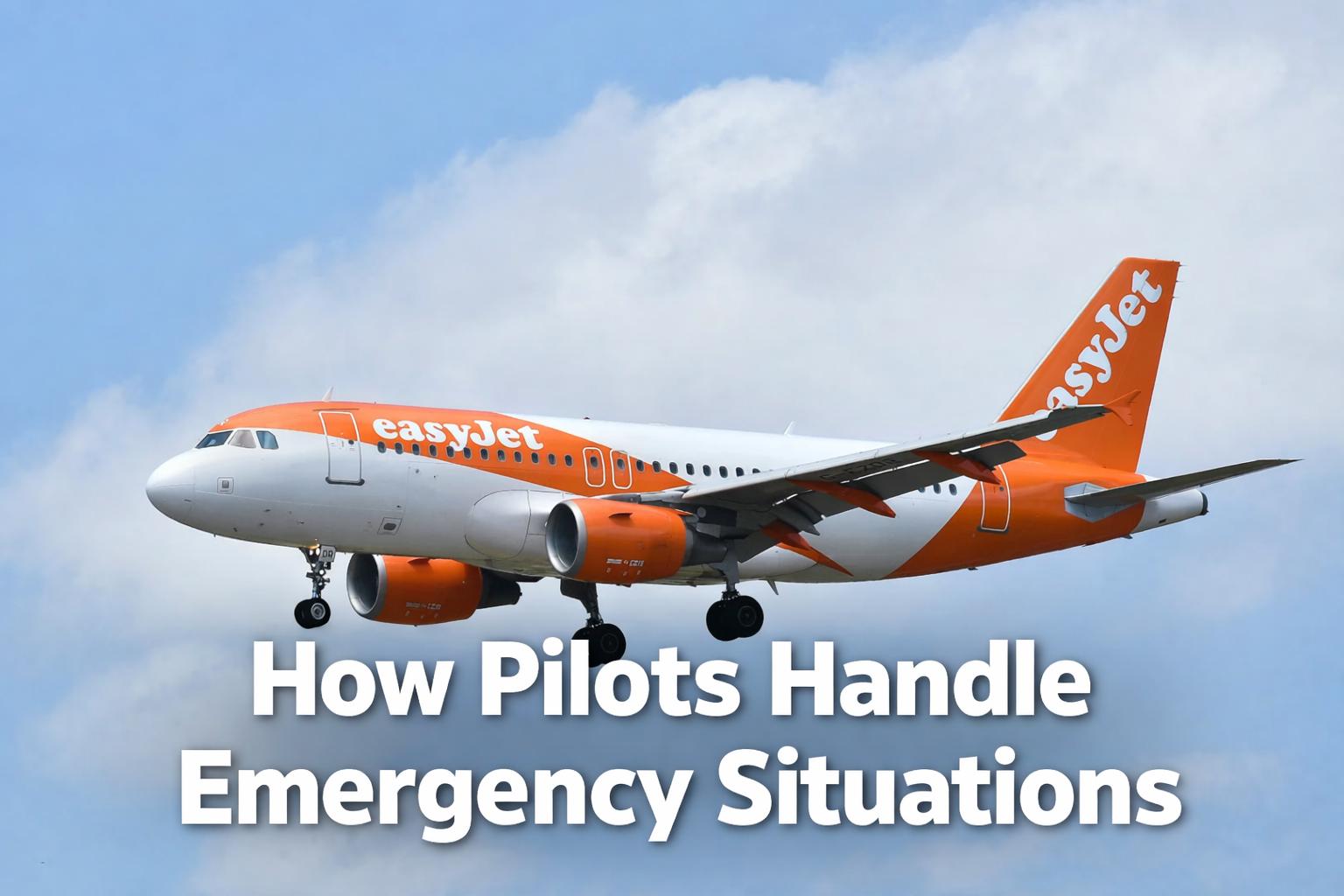
Pilots are extensively trained to handle emergencies with calm and precision.
Decision-Making Process
When an issue is detected:
- Assess severity
- Consult onboard systems
- Follow checklists
- Decide whether to continue or divert
Communication with ATC
Pilots immediately:
- Contact air traffic control
- Declare emergency if needed
- Request priority landing
In this case, the aircraft used transponder code 7700, signaling a general emergency.
This ensures that all other aircraft give way, allowing a safe and rapid landing.
Cabin Crew Role During the Emergency
While pilots manage the aircraft, cabin crew focus on passengers.
Their Responsibilities:
- Communicating clearly with passengers
- Providing medical assistance
- Preparing cabin for landing
- Preventing panic
Cabin crew are trained safety professionals—not just service staff. Their calm behavior plays a crucial role in maintaining order during emergencies.
What Passengers Experienced During the Incident
For passengers, the situation likely felt sudden and stressful.
Common Experiences:
- Unexpected announcement from the captain
- Change in flight direction
- Faster descent
- Seeing emergency vehicles on the runway
While these moments can feel intense, the actual landing is usually smooth and controlled.
The difference lies in perception: what feels like danger is often a routine safety procedure.
Step-by-Step: What Happens During an Emergency Landing
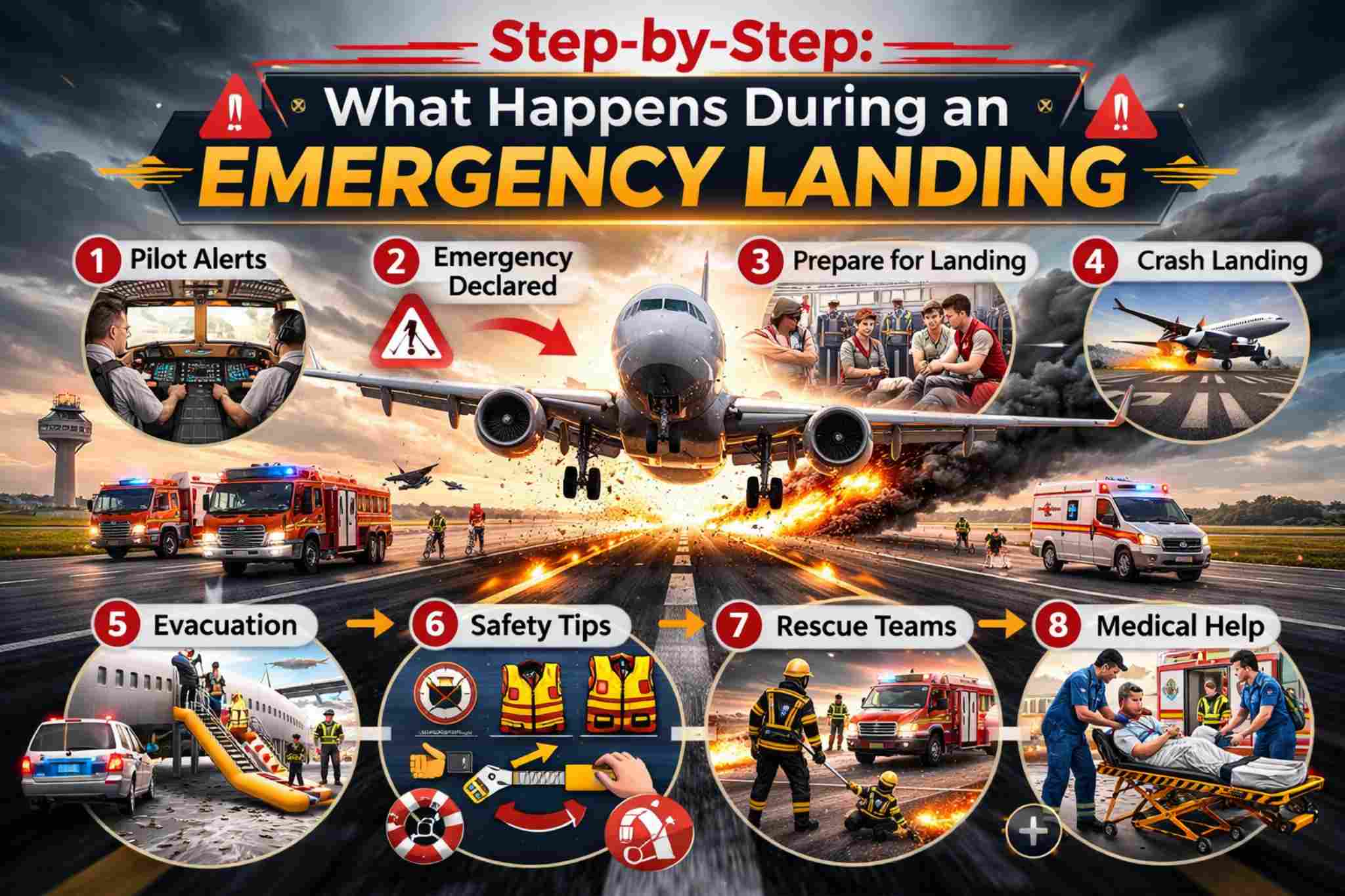
Emergency landings follow a structured process:
1. Issue Detection
Pilots or systems identify a problem.
2. ATC Communication
The crew informs air traffic control and requests priority.
3. Passenger Preparation
Cabin crew instruct passengers:
- Fasten seatbelts
- Secure belongings
4. Emergency Services Ready
Fire, medical, and rescue teams prepare on the ground.
5. Controlled Landing
Pilots execute a safe landing using strict procedures.
This coordination ensures maximum safety at every step.
What Happened After the Plane Landed
After landing, the situation is carefully managed.
Key Actions:
1. Medical Response
Doctors and paramedics assist the affected passenger.
2. Aircraft Inspection
Engineers check the aircraft thoroughly.
3. Passenger Support
- Rebooking flights
- Providing assistance
Reports indicate the aircraft was able to continue its journey to Manchester after refueling.
Types of Emergency Landings Explained
Not all emergency landings are the same.
1. Precautionary Landing
- Done early to avoid risk
- Most common type
2. Forced Landing
- Due to serious failure
3. Emergency Diversion
- Landing at a different airport
Flight U2238 falls under precautionary diversion.
Are Emergency Landings Dangerous? (Myths vs Reality)
Myth:
Emergency landings mean something went terribly wrong.
Reality:
They are often preventive safety actions.
In fact:
- Aircraft have multiple backup systems
- Pilots are highly trained
- Procedures are standardized
Most emergency landings end safely—just like this one.
How Safe Is Air Travel Today?
Air travel is one of the safest modes of transport.
Key Facts:
- Millions of flights operate safely every year
- Strict global regulations exist
- Continuous monitoring improves safety
Incidents like Flight U2238 demonstrate how well the system works—not how it fails.
Key Safety Features in Modern Aircraft
Modern aircraft include advanced safety systems:
Core Features:
- Redundant Systems: Backup components
- Advanced Sensors: Detect problems early
- Cabin Pressure Control: Maintains safe environment
- Fire Suppression Systems: Handle onboard risks
These technologies reduce the chances of serious incidents.
Common Mistakes Passengers Make During Emergencies
Passengers sometimes react incorrectly.
Mistakes to Avoid:
- Ignoring crew instructions
- Panicking
- Using phones when restricted
- Not listening to briefings
These behaviors can increase risk unnecessarily.
Safety Tips: What You Should Do as a Passenger
Best Practices:
- Stay calm
- Follow crew instructions immediately
- Keep seatbelt fastened
- Pay attention to announcements
Quick Checklist:
| Action | Importance |
|---|---|
| Follow instructions | Critical |
| Stay calm | High |
| Stay seated | High |
| Avoid panic | Critical |
Pros and Cons of Emergency Landings
Pros:
- Prevent serious incidents
- Ensure passenger safety
- Allow quick medical response
Cons:
- Flight delays
- Passenger anxiety
- Operational costs
How Airlines Handle Emergency Incidents
Airlines follow strict protocols:
After an Incident:
- Technical investigation
- Reporting to authorities
- Passenger compensation (if applicable)
- Operational review
These steps improve safety for future flights.
Key Lessons from EasyJet Flight U2238 Incident
This incident highlights several important lessons:
- Early decisions save lives
- Crew training is highly effective
- Emergency systems work efficiently
- Passenger safety is always the top priority
Conclusion
The EasyJet Flight U2238 emergency landing in Newcastle is a clear example of aviation safety working exactly as it should. While the term “emergency landing” may sound alarming, it often represents a proactive and controlled response to a manageable situation.
In this case, a medical emergency prompted a diversion, allowing immediate assistance and ensuring the safety of everyone onboard. The pilots, cabin crew, and ground teams all played their roles perfectly.
For passengers, the takeaway is simple: trust the system, stay calm, and follow instructions. Air travel remains one of the safest ways to travel, and incidents like this only reinforce that fact.
FAQs
1. What caused EasyJet Flight U2238 emergency landing?
The diversion was caused by a medical emergency involving a passenger.
2. Was the emergency landing dangerous?
No, it was a precautionary measure handled safely.
3. Why did the flight land in Newcastle?
Because it was the nearest suitable airport with proper emergency facilities.
4. What should passengers do during an emergency landing?
Stay calm, follow crew instructions, and keep your seatbelt fastened.
5. Did the flight continue after landing?
Yes, after handling the situation, the aircraft continued to Manchester.