
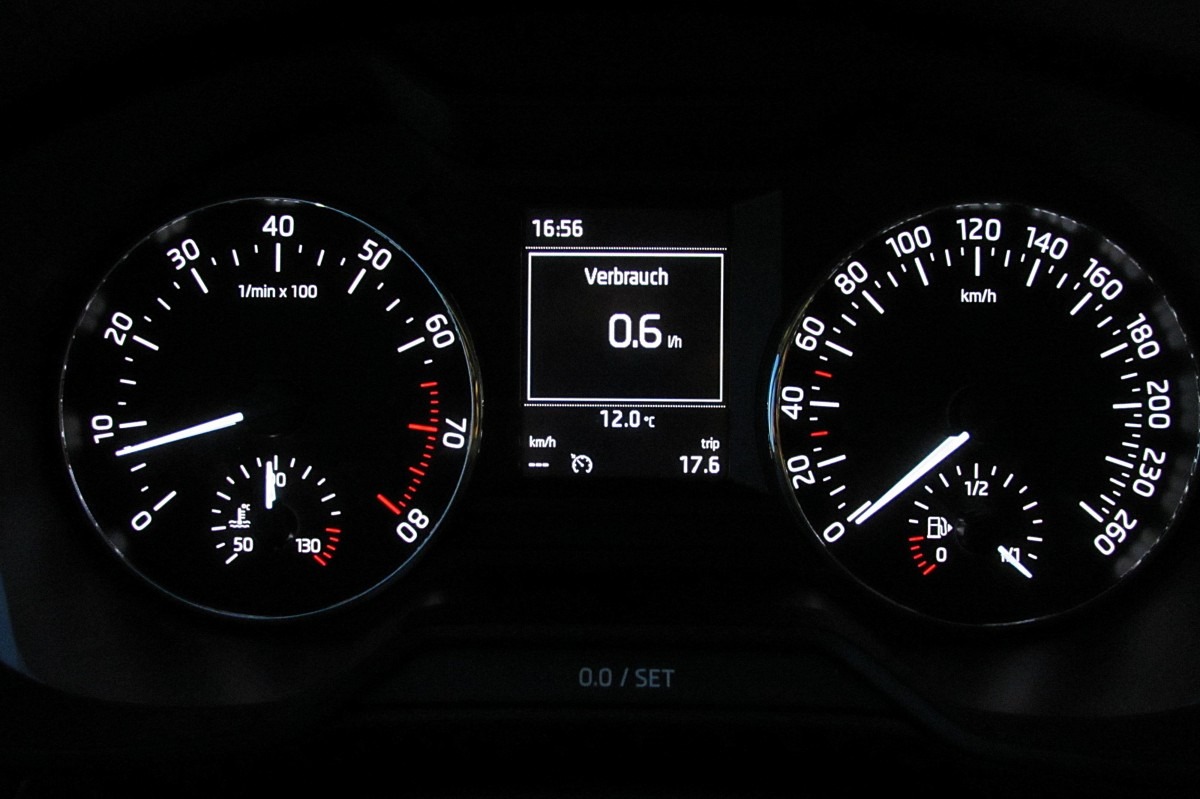
Fuel efficiency is one of the biggest concerns for car owners today. With rising fuel costs and increasing awareness about environmental impact, drivers are constantly looking for ways to get more miles out of every litre of fuel. One question that often comes up is whether regular car servicing actually makes a difference.
The simple answer is yes. Regular car servicing plays a major role in improving fuel efficiency, maintaining engine performance, and reducing long-term costs. However, understanding how and why this happens can help you make smarter decisions about maintaining your vehicle.
In this detailed guide, we will explore how regular servicing affects fuel consumption, what components are involved, and why choosing a trusted provider like TJ Services can make all the difference.
Understanding Fuel Efficiency
Fuel efficiency refers to how effectively your car uses fuel to travel a certain distance. A fuel-efficient vehicle consumes less fuel to cover the same distance compared to one that is poorly maintained.
Over time, even the best vehicles start losing efficiency due to wear and tear. Dirt buildup, worn-out parts, and neglected maintenance all contribute to higher fuel consumption. This is where regular servicing becomes essential.
How Regular Car Servicing Improves Fuel Efficiency
Regular servicing ensures that all critical components of your vehicle are working in optimal condition. When everything runs smoothly, your engine does not have to work as hard, which directly improves fuel economy.
- Engine Performance Optimisation
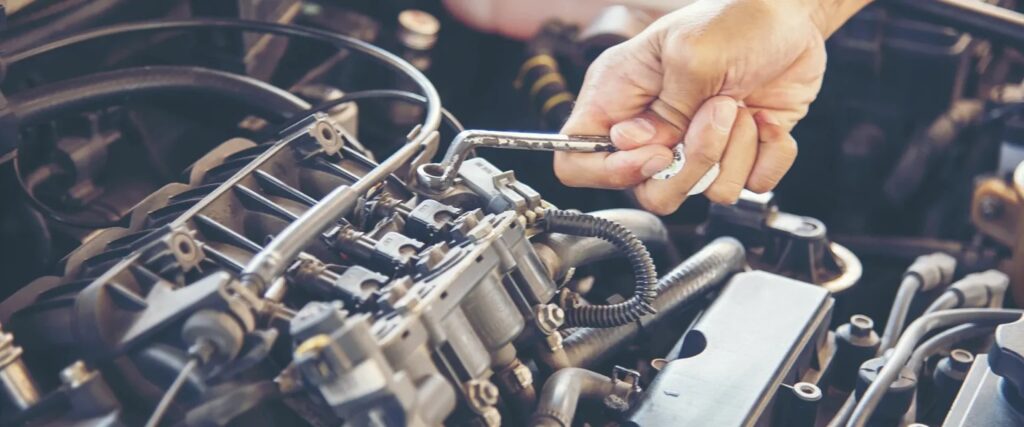
The engine is the heart of your car, and its condition directly impacts fuel usage. During a service, technicians inspect and fine-tune the engine to ensure it is running efficiently.
A poorly maintained engine burns more fuel because it struggles to perform. Cleaning, tuning, and replacing worn parts help restore its efficiency.
- Clean Air Filters
Air filters play a crucial role in maintaining the correct air-to-fuel ratio in the engine. When the filter becomes clogged with dirt and debris, airflow is restricted.
This forces the engine to use more fuel to compensate for the lack of oxygen. Replacing or cleaning air filters during servicing helps improve combustion and reduces fuel consumption.
- Proper Engine Oil and Lubrication
Engine oil reduces friction between moving parts. Over time, oil becomes dirty and less effective, increasing resistance inside the engine.
Fresh, high-quality oil ensures smooth movement, allowing the engine to operate efficiently. This directly contributes to better fuel economy.
- Spark Plug Efficiency
Spark plugs ignite the fuel-air mixture in the engine. If they are worn out or dirty, combustion becomes inefficient.
Misfiring or incomplete combustion leads to wasted fuel. Regular servicing includes checking and replacing spark plugs, ensuring optimal performance.
- Correct Tyre Pressure
Tyres might not seem directly related to fuel efficiency, but they play a significant role. Underinflated tyres create more rolling resistance, forcing the engine to work harder.
During a service, tyre pressure is checked and adjusted, helping improve fuel efficiency and overall driving safety.
- Fuel System Cleaning
Over time, fuel injectors and other components can become clogged with deposits. This disrupts the proper flow of fuel into the engine.
Professional servicing includes cleaning the fuel system, which improves fuel delivery and combustion efficiency.
The Hidden Costs of Skipping Regular Servicing
Many drivers skip servicing to save money, but this often leads to higher fuel costs and expensive repairs in the long run.
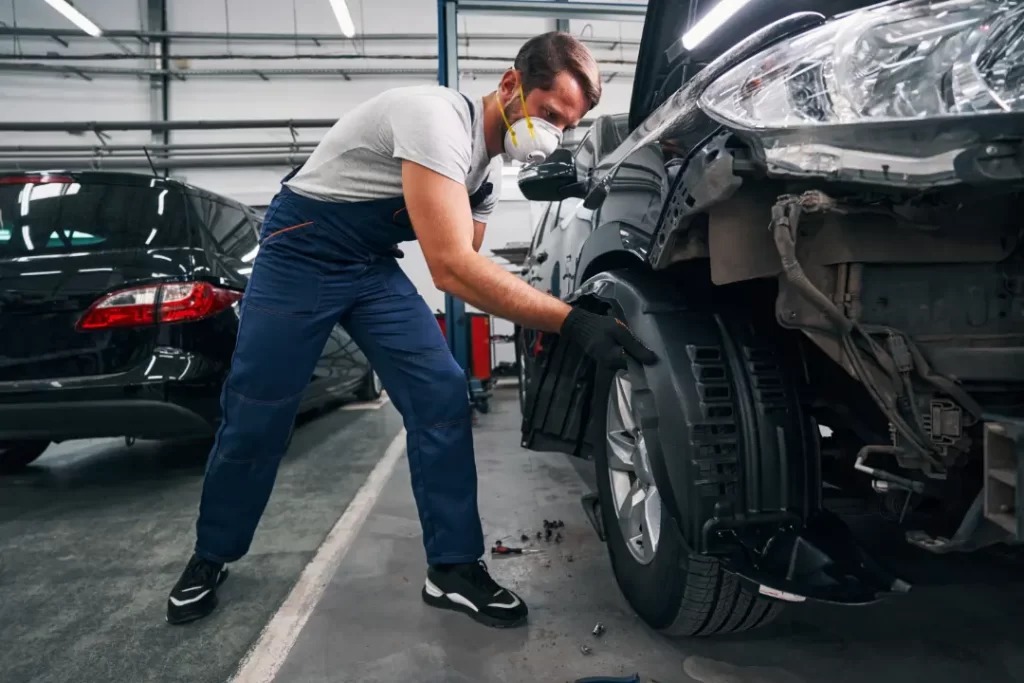
When a car is not serviced regularly, small issues turn into bigger problems. Reduced fuel efficiency is often the first sign, but it can eventually lead to engine damage, increased emissions, and breakdowns.
Ignoring maintenance does not save money. It usually costs more over time.
How Often Should You Service Your Car?
The frequency of servicing depends on your vehicle type, usage, and manufacturer recommendations. However, most cars benefit from regular checks at consistent intervals.
A general guideline is to service your car every few months or after a certain mileage. Vehicles used for long commutes or heavy-duty work may require more frequent servicing.
Sticking to a routine service schedule ensures your car remains efficient and reliable.
Driving Habits Also Matter
While servicing plays a huge role, your driving style also affects fuel efficiency.
Aggressive acceleration, sudden braking, and excessive idling all increase fuel consumption. Even with regular servicing, poor driving habits can reduce efficiency.
Combining good driving practices with regular maintenance delivers the best results.
Environmental Benefits of Regular Servicing
Improved fuel efficiency is not just about saving money. It also helps reduce your carbon footprint.
A well-maintained car produces fewer emissions because it burns fuel more efficiently. Regular servicing ensures your vehicle complies with environmental standards and contributes to cleaner air.
Professional Car Servicing and Fuel Efficiency
Choosing the right service provider is just as important as servicing itself. This is where TJ Services stands out.
TJ Service offers professional car servicing designed to maximise fuel efficiency and overall vehicle performance. Their experienced technicians use advanced diagnostic tools to identify and fix issues that may affect fuel consumption.
From engine tuning and oil changes to tyre checks and fuel system cleaning, every aspect of your car is handled with precision and care. Their transparent approach ensures you understand what your vehicle needs without unnecessary costs.
With a focus on reliability, efficiency, and customer satisfaction, TJ Services helps you keep your car running at its best while saving money on fuel.
If you are unsure about your vehicle’s condition, consulting experts who offer professional car servicing at TJ Services can help identify issues affecting fuel consumption and improve overall efficiency.
Signs Your Car Needs Servicing
Sometimes your car will show clear signs that it is not running efficiently. Recognising these signs early can help prevent further issues.
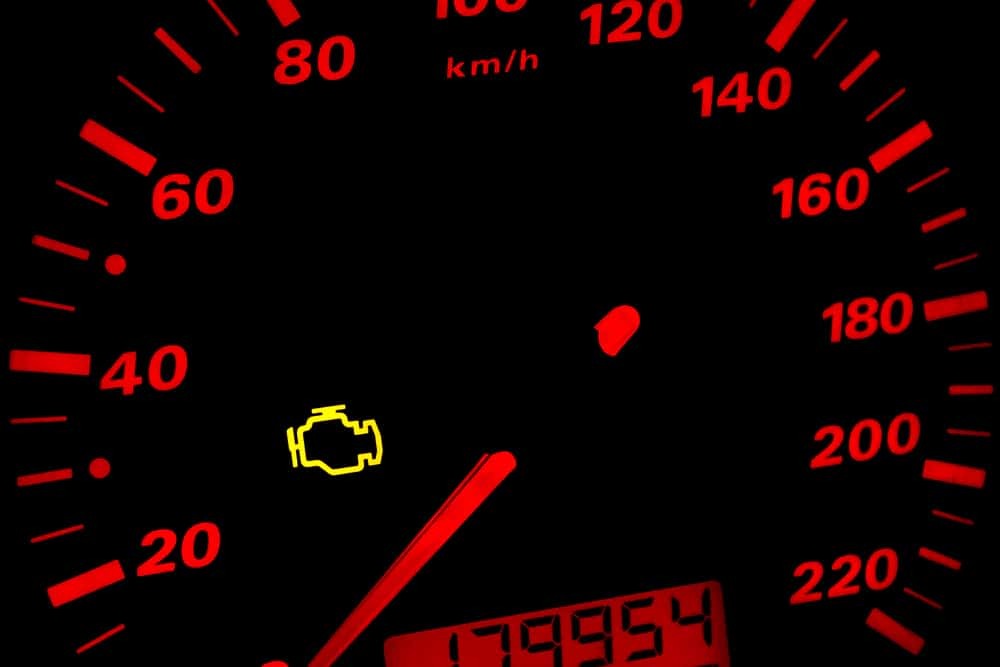
A sudden drop in fuel efficiency is often the first indicator. If you find yourself refuelling more frequently, it may be time for a service.
Other signs include rough engine performance, unusual noises, reduced power, and warning lights on the dashboard.
Ignoring these warning signs can lead to more serious problems and higher repair costs.
Long-Term Benefits of Regular Car Servicing
Regular servicing offers several long-term advantages beyond fuel efficiency.
It extends the lifespan of your vehicle by keeping all components in good condition. It also improves safety by ensuring critical systems such as brakes and tyres are functioning properly.
Additionally, a well-maintained car retains its resale value better than one with a poor service history.
If you want to check your vehicle’s condition, you can easily find TJ Services in Fleet on Google Maps to locate a nearby workshop for inspections and servicing.
Conclusion
Regular car servicing is not just about keeping your vehicle in good condition. It is a smart investment that improves fuel efficiency, enhances performance, and saves money over time.
By choosing a reliable provider like TJ Services, you can ensure your car receives the care it needs to perform at its best. With proper maintenance and responsible driving habits, you can enjoy a smoother, more efficient, and cost-effective driving experience.