Recovering from surgery often takes time and careful attention to the body’s healing process. During recovery, the body naturally forms scar tissue as part of the healing response. This tissue helps close wounds and repair damaged areas. However, scar tissue can sometimes become thick, tight, or uncomfortable if it develops in excess.
Many patients look for ways to support healing and reduce complications after surgery. One method often recommended during recovery is post surgery massage therapy. Gentle massage techniques can help improve circulation, reduce swelling, and support healthy tissue repair.
In particular, lymphatic drainage massage and other forms of therapeutic massage are often used in postoperative recovery programs. These methods focus on encouraging proper fluid movement and helping the body heal in a balanced way.
But an important question many people ask is: Can post surgery massage therapy help prevent scar tissue formation?
While scar tissue is a normal part of healing, massage therapy may help manage how it forms. By improving blood flow, supporting lymphatic circulation, and gently mobilizing healing tissues, massage may help reduce stiffness and promote smoother recovery.
Understanding how post surgical massage therapy, lymphatic drainage techniques, and scar tissue mobilization work can help patients make informed decisions during recovery.
What Is Post Surgery Massage Therapy?
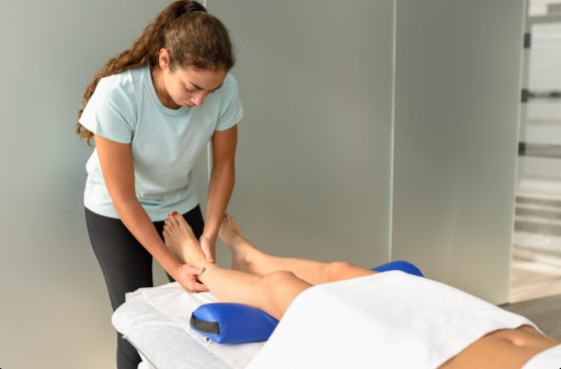
Post surgery massage therapy is a specialized type of massage designed to support the body after medical procedures. It uses gentle techniques that focus on healing tissues and improving circulation.
How Therapeutic Massage Supports Healing
After surgery, the body begins a complex healing process. Blood vessels repair damaged tissues while the immune system works to reduce inflammation.
Therapeutic massage may support this process by increasing blood circulation and delivering oxygen to healing areas. Improved circulation helps the body remove waste products and bring nutrients to recovering tissues.
Massage may also help relax surrounding muscles, which can become tight or stiff after surgery.
The Role of Lymphatic Drainage Massage
One common technique used in postoperative care is lymphatic drainage massage.
The lymphatic system helps remove excess fluids, toxins, and waste from the body. After surgery, this system may slow down, leading to swelling or fluid buildup.
Lymphatic drainage massage uses gentle rhythmic movements to stimulate lymph flow. This helps reduce swelling and supports the body’s natural detoxification process.
Why Gentle Techniques Are Used After Surgery
Massage performed after surgery must be gentle and carefully applied.
Healing tissues are sensitive, and aggressive pressure can cause discomfort or interfere with recovery. Specialized therapists trained in post surgical massage therapy understand how to work safely around surgical areas.
These professionals often adjust their techniques based on the stage of recovery and the type of procedure performed.
Benefits of Massage Therapy After Surgery
Massage therapy is commonly used during postoperative recovery because it may support several aspects of healing.
Reducing Swelling and Fluid Retention
One of the most common challenges after surgery is postoperative swelling.
Swelling occurs when fluid accumulates in tissues near the surgical site. Lymphatic drainage massage helps move this fluid through the lymphatic vessels, allowing the body to remove excess fluid more efficiently.
Reducing swelling may help improve comfort and promote faster healing.
Improving Blood Circulation and Oxygen Flow
Healthy circulation plays an important role in tissue repair.
Massage therapy may stimulate blood flow, helping deliver oxygen and nutrients to recovering areas. Better circulation can also help remove metabolic waste products from healing tissues.
This process supports the body’s natural recovery mechanisms.
Helping Prevent Scar Tissue Buildup
During healing, the body produces collagen fibers that form scar tissue. When collagen fibers develop in an organized pattern, scars tend to remain soft and flexible.
However, when collagen fibers accumulate irregularly, scar tissue can become thick and tight.
Gentle massage techniques may help keep healing tissues flexible and encourage smoother scar development.
Types of Massage Used in Post-Surgical Recovery
Several massage techniques may be used to support recovery after surgery.
Lymphatic Drainage Massage
Manual lymphatic drainage (MLD) is one of the most common techniques used after surgery.
This method was developed by Dr. Emil Vodder, a pioneer in lymphatic therapy. The technique involves light, rhythmic strokes that follow the direction of lymphatic flow.
Manual lymphatic drainage may help reduce swelling, support immune function, and improve healing.
Gentle Therapeutic Massage Techniques
Other forms of therapeutic massage may be introduced later in the recovery process.
These techniques focus on relaxing surrounding muscles, improving circulation, and restoring mobility to the affected area.
Massage therapists may gradually adjust pressure and movements as the body heals.
Scar Tissue Mobilization Massage
Once surgical wounds have healed, therapists may use scar tissue mobilization techniques.
This method gently stretches and moves the tissue surrounding the scar. The goal is to prevent scar tissue from becoming stiff or restrictive.
Improving tissue flexibility can help restore normal movement and reduce discomfort.
When It Is Safe to Start Post Surgery Massage Therapy
The timing of massage therapy after surgery depends on several factors, including the type of procedure and individual healing speed.
Following Medical Guidance From Your Surgeon
Before beginning post surgery massage therapy, patients should consult their surgeon or healthcare provider.
Medical professionals can evaluate healing progress and determine when massage therapy is appropriate.
Following medical guidance ensures that massage therapy is introduced safely.
Early Recovery vs Later Rehabilitation Stages
Massage therapy often begins with very gentle techniques during early recovery.
For example, lymphatic drainage massage may be used soon after surgery to reduce swelling.
More advanced techniques, such as scar tissue mobilization, are typically introduced later once tissues have healed.
Signs Your Body Is Ready for Massage Therapy
Certain signs may indicate that the body is ready for massage therapy.
These signs may include reduced swelling, closed surgical wounds, and improved overall comfort.
Each recovery process is unique, so treatment plans may vary depending on individual needs.
Tips for Safe Post-Surgical Massage Recovery
Taking the right precautions can help ensure that massage therapy supports healing safely.
Choosing a Licensed Massage Therapist
It is important to work with a licensed massage therapist who has experience in postoperative care.
Therapists trained in medical massage or post surgical therapy understand how to work with healing tissues.
They also know how to adjust techniques to prevent strain or discomfort.
Communicating With Your Healthcare Provider
Open communication between the patient, therapist, and healthcare provider is essential.
Doctors and therapists may collaborate to create a safe recovery plan that supports healing.
Sharing information about surgical procedures helps therapists provide appropriate treatment.
Monitoring Your Body’s Healing Response
Every person heals differently.
Patients should pay attention to how their body responds to massage therapy. If discomfort or unusual symptoms occur, therapy sessions may need adjustment.
Careful monitoring ensures that treatment remains safe and beneficial.
Conclusion
Scar tissue formation is a natural part of the body’s healing process after surgery. While scar tissue helps repair damaged areas, excessive or rigid scar tissue can sometimes lead to discomfort or restricted movement.
Post surgery massage therapy offers a gentle approach that may support healthy recovery. Techniques such as lymphatic drainage massage, therapeutic massage, and scar tissue mobilization may help improve circulation, reduce swelling, and encourage flexible tissue healing.
Although massage therapy cannot completely prevent scar tissue formation, it may help guide how scar tissue develops. By supporting circulation and tissue mobility, massage may reduce the likelihood of stiff or restrictive scars.
For best results, massage therapy should always be performed under proper medical guidance and by trained professionals. Working with qualified therapists ensures that healing tissues are treated with care.
With thoughtful treatment and proper recovery practices, post surgical massage therapy can play a valuable role in supporting comfort, mobility, and overall healing after surgery.