Maintaining dentures is essential for oral health, comfort, and confidence. Improper denture care can lead to bacterial buildup, bad odor, gum irritation, and even oral infections. While brushing and soaking are common methods, they often fail to clean dentures thoroughly. Using an ultrasonic denture cleaner offers a safer, more effective solution for keeping dentures hygienic and looking like new.
Why Proper Denture Cleaning Matters
Dentures are in constant contact with your mouth, saliva, and food particles. Without proper cleaning, bacteria and plaque can accumulate, causing:
- Bad breath (halitosis)
- Gum irritation and inflammation
- Oral infections
- Staining and discoloration of dentures
Even minor neglect can lead to serious oral health issues over time. That’s why a consistent cleaning routine is vital.
Limitations of Traditional Cleaning Methods
Many denture users rely on brushing and soaking. While these methods can help maintain surface cleanliness, they have limitations:
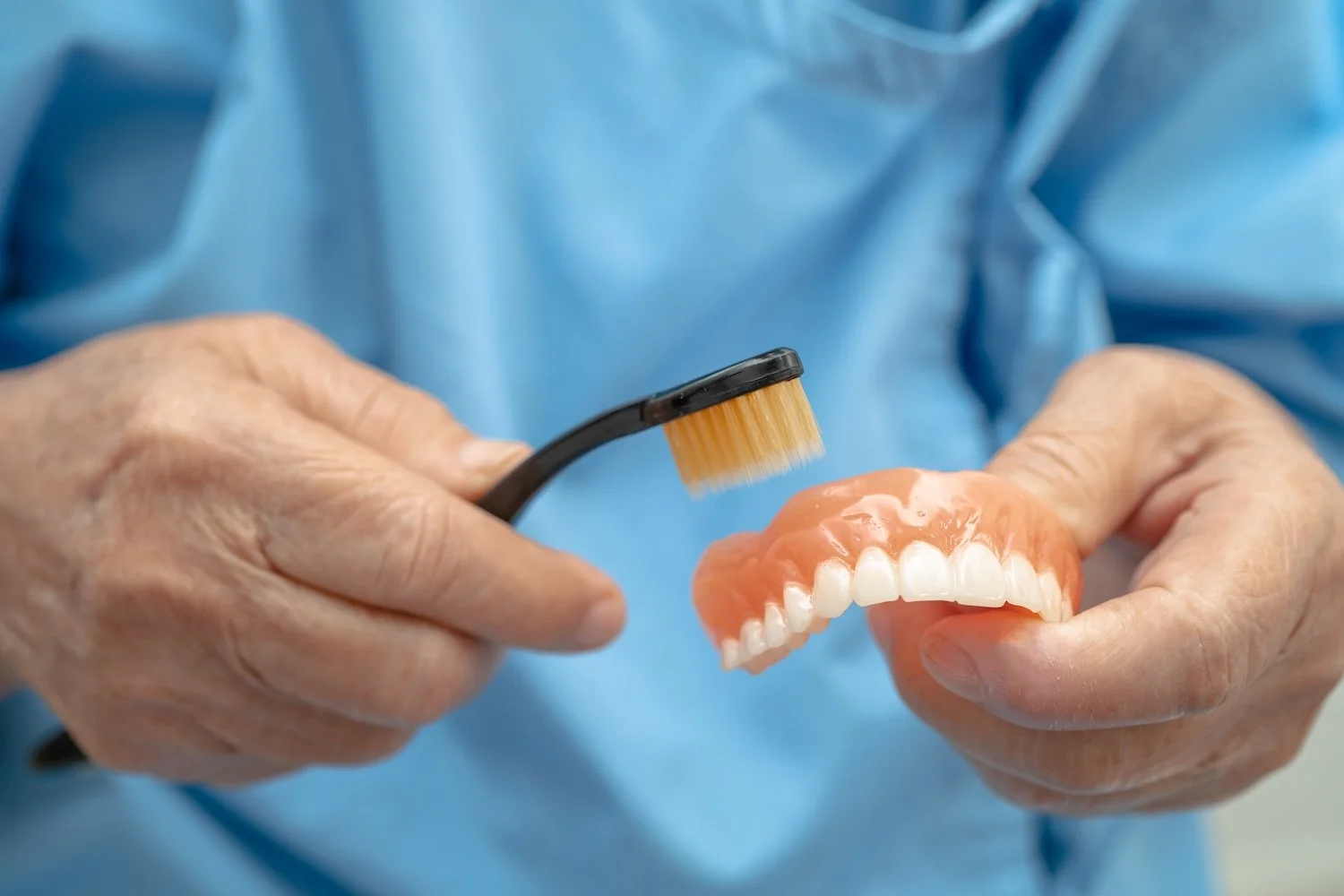
- Brushing: Can scratch the surface of dentures, creating tiny grooves where bacteria thrive. Using toothpaste or abrasive brushes can worsen this issue.
- Soaking in solutions: May not reach hidden crevices or remove all plaque buildup. Some commercial cleaning solutions contain harsh chemicals that can damage the material over time.
For thorough denture care, these traditional methods alone are often insufficient.
How Ultrasonic Denture Cleaning Works
Ultrasonic cleaning uses high-frequency sound waves to remove bacteria, plaque, and debris from dentures. Here’s how it works:
- The device generates ultrasonic waves in a water or cleaning solution.
- The bubbles collapse, producing tiny bursts of energy that dislodge dirt and bacteria.
Unlike manual cleaning, ultrasonic denture cleaning does not require scrubbing, making it gentle yet highly effective.
Step-by-Step Guide to Cleaning Dentures Safely at Home
Follow these steps to ensure your dentures remain clean, comfortable, and long-lasting:
- Rinse Dentures After Meals
Remove food particles and debris immediately after eating. This prevents buildup and keeps your dentures fresher throughout the day. - Use a Non-Abrasive Cleaning Solution
Avoid toothpaste or abrasive cleaners. Use a mild, denture-safe solution or water for daily cleaning. - Daily Ultrasonic Cleaning
Place dentures in an ultrasonic denture cleaner for a few minutes. The device reaches areas that brushes cannot, ensuring deep cleaning. - Rinse Thoroughly After Cleaning
After ultrasonic cleaning, rinse dentures under running water to remove any remaining solution. - Store Properly
Keep dentures in a clean, dry case when not in use to prevent bacterial growth and maintain shape.
Ultrasonic Cleaning vs Manual Cleaning
Manual Cleaning:
- Cleaning Depth: Surface-level, may miss tiny crevices
- Effort Required: Moderate to high, requires scrubbing
- Risk of Damage: Moderate, potential scratches
- Time: Longer, especially for thorough cleaning
Ultrasonic Denture Cleaning:
- Cleaning Depth: Deep, reaches all hidden areas
- Effort Required: Minimal, just place dentures in the device
- Risk of Damage: Low, gentle on denture material
- Time: Fast, typically 3–5 minutes per cycle
This comparison highlights why ultrasonic cleaning is more effective and safer for dentures.
Benefits of Using an Ultrasonic Denture Cleaner
- Deep and Gentle Cleaning – Removes bacteria from hard-to-reach areas without damaging dentures.
- Reduces Bad Odor – Keeps dentures fresh and odor-free.
- Maintains Appearance – Helps prevent stains and preserves the natural look.
- Saves Time – A few minutes per day is all it takes for a professional-level clean.
- Improves Oral Health – Fewer bacteria mean less risk of gum inflammation and infections.
Tips for Long-Term Denture Care
- Clean dentures daily for optimal hygiene.
- Avoid using hot water or harsh chemicals.
- Replace dentures as recommended by your dentist.
- Combine ultrasonic cleaning with regular dental checkups.
Consistency in cleaning ensures better hygiene, comfort, and longevity for your dentures.
Who Can Benefit from Ultrasonic Denture Cleaning?
- People wearing full or partial dentures
- Individuals prone to oral infections
- Anyone seeking a convenient and effective denture cleaning routine
Ultrasonic cleaning is suitable for almost all denture users, making it a worthwhile investment for oral health.
Conclusion
Proper denture care is essential for maintaining oral health and comfort. Traditional cleaning methods often leave behind bacteria, scratches, or stains, compromising hygiene and denture lifespan.
An ultrasonic denture cleaner offers a safe, efficient, and convenient way to achieve deep cleaning at home. With minimal effort and a few minutes per day, you can prevent bacterial buildup, reduce bad odors, and preserve the natural appearance of your dentures.
For anyone serious about oral hygiene and denture maintenance, switching to ultrasonic cleaning is a smart and effective solution.