
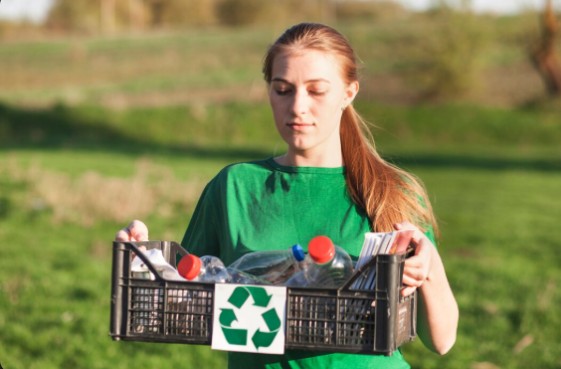
Waste is a growing challenge in many parts of the world. Every day, households, businesses, and cities generate large amounts of trash. Much of this waste ends up in Landfills, where it can take years—or even centuries—to break down. As landfill space becomes limited, communities are looking for smarter ways to manage waste and protect the environment.
This is where Sustainable Waste Management and Circular Economy Programs come into play. These approaches focus on reducing waste, reusing materials, and recycling valuable resources. Instead of throwing items away, these systems aim to keep materials in use for as long as possible.
Many modern waste strategies also include Hygiene Product Recycling, which helps manage items like Diapers, Incontinence Products, and other Absorbent Hygiene Products. These products create significant waste because they are used daily and often sent directly to landfills.
By implementing smart recycling programs and circular systems, communities can reduce landfill waste and make better use of natural resources. Understanding how these programs work can help individuals, organizations, and cities move toward a cleaner and more sustainable future.
Understanding Sustainable Waste Management
What Sustainable Waste Management Means
Sustainable Waste Management is an approach that focuses on handling waste in ways that protect the environment and conserve resources. Instead of simply disposing of trash, this method emphasizes reducing waste at the source and managing materials responsibly.
Traditional waste management often follows a simple pattern: produce, use, and dispose. Once a product is used, it usually ends up in a landfill. This system creates large amounts of waste and wastes valuable resources.
In contrast, sustainable systems focus on several key practices:
- Waste Reduction
- Reuse of Materials
- Recycling Programs
- Resource Recovery
These strategies help limit the amount of waste that enters landfills and reduce the environmental impact of disposal.
For example, many communities now support Municipal Recycling Programs that collect paper, plastic, glass, and metal. These materials can then be processed and reused instead of being buried in landfills.
Why Waste Reduction Is Important for the Environment
Reducing waste has major benefits for both the environment and public health. Landfills can produce harmful gases such as Methane, which contributes to Climate Change. They may also release liquids known as Leachate, which can contaminate soil and groundwater.
By reducing waste, communities can lower these environmental risks.
Waste reduction also helps conserve natural resources. For example, recycling materials like Aluminum, Plastic, and Paper reduces the need to extract new raw materials from the earth.
When fewer materials are wasted, fewer resources are consumed. This helps protect ecosystems and reduces pollution from manufacturing and transportation.
The Role of Circular Economy Programs
How the Circular Economy Reduces Waste
A Circular Economy is an economic system designed to eliminate waste and keep materials in use for as long as possible. Unlike the traditional Linear Economy, which follows a “take, make, dispose” model, the circular approach focuses on reuse and regeneration.
In a circular system, products are designed so their materials can be recovered and reused after their initial use.
For example:
- Plastic can be recycled into new packaging.
- Metals can be melted and reused in manufacturing.
- Organic waste can be turned into Compost.
By keeping materials circulating in the economy, Circular Economy Programs reduce the amount of waste sent to landfills.
These programs also encourage businesses to design products that are easier to repair, reuse, or recycle.
Turning Waste Into Reusable Resources
One of the main goals of the Circular Economy is to transform waste into valuable resources. Instead of treating waste as useless material, circular systems view it as a potential raw material for new products.
A good example is Resource Recovery Facilities, where recyclable materials are sorted and processed. Items like Plastic Bottles, Glass Containers, and Cardboard can be converted into raw materials for new manufacturing.
Another example is Composting Programs, which turn food scraps and organic waste into nutrient-rich soil.
These systems help reduce landfill waste while creating new economic opportunities.
Hygiene Product Recycling and Waste Reduction
Why Hygiene Product Waste Is a Growing Challenge
Certain products are difficult to recycle using traditional methods. One of the biggest challenges is Hygiene Product Waste, which includes items like Baby Diapers, Adult Incontinence Products, and Sanitary Products.
These items are made from multiple layers of materials such as plastics, absorbent fibers, and gels. Because of this complex structure, they are often discarded in landfills.
According to environmental studies, billions of Disposable Diapers are used every year. These products may take hundreds of years to break down in landfills.
This makes hygiene product waste a significant environmental concern.
Innovative Hygiene Product Recycling Solutions
To address this issue, new recycling technologies are emerging. These solutions focus on separating the materials inside absorbent products so they can be reused.
Some advanced recycling systems can recover:
- Cellulose Fibers
- Plastic Components
- Absorbent Polymers
These materials can then be processed and used to create new products.
Programs that support Hygiene Product Recycling are becoming an important part of Sustainable Waste Management strategies. By recovering materials from these products, communities can reduce landfill waste and conserve resources.
Implementing Waste Reduction Programs
Strategies for Businesses and Communities
Successful waste reduction requires collaboration between individuals, businesses, and local governments. Many organizations now adopt structured Waste Reduction Programs that focus on minimizing environmental impact.
Some effective strategies include:
- Expanding Recycling Infrastructure
- Encouraging Reusable Products
- Supporting Composting Systems
- Educating communities about responsible waste disposal
Businesses may also implement Corporate Sustainability Programs that focus on reducing packaging waste and improving recycling efforts.
Communities can support these initiatives by providing convenient recycling services and encouraging responsible consumer habits.
Benefits of Sustainable Waste Management Initiatives
Implementing Sustainable Waste Management Programs provides several benefits for communities and the environment.
Some key advantages include:
- Reduced landfill waste
- Lower greenhouse gas emissions
- Conservation of natural resources
- Improved environmental health
These initiatives also create economic opportunities. Recycling industries generate jobs in areas such as material collection, sorting, and processing.
When communities invest in sustainable systems, they build long-term solutions for managing waste responsibly.
Environmental and Economic Benefits
Reducing Landfill Waste and Pollution
One of the most direct benefits of sustainable waste practices is the reduction of landfill waste. By recycling and reusing materials, fewer items need to be buried in landfills.
This helps reduce environmental pollution and protects surrounding ecosystems.
Reducing landfill waste also helps cities manage waste more efficiently. Landfills require large areas of land and expensive infrastructure to operate safely.
When waste is diverted through recycling and reuse programs, landfill capacity lasts longer.
Creating Value Through Resource Recovery
Modern waste management increasingly focuses on Resource Recovery, which means extracting valuable materials from waste streams.
Recovered materials such as metals, plastics, and organic matter can be reused in manufacturing or agriculture.
This approach not only reduces waste but also creates economic value. For example, recycled aluminum requires far less energy to produce than new aluminum from raw ore.
By turning waste into resources, communities can build more efficient and sustainable economic systems.
The Future of Sustainable Waste Solutions
Emerging Recycling Technologies
Technology continues to improve waste management solutions. New recycling technologies are making it possible to recover materials that were previously difficult to recycle.
Examples include:
- Advanced Plastic Recycling Systems
- Chemical Recycling Technologies
- Waste-to-Energy Facilities
These innovations help recover energy or materials from waste streams that would otherwise end up in landfills.
As technology advances, waste management systems will become more efficient and environmentally friendly.
Expanding Circular Economy Programs Worldwide
Many governments and organizations around the world are embracing the Circular Economy as a long-term sustainability strategy.
Countries in Europe, North America, and Asia are developing policies that encourage recycling, waste reduction, and resource recovery.
These programs support innovation and help businesses transition toward sustainable production systems.
By expanding circular economy practices, societies can reduce waste, conserve resources, and move closer to a more sustainable future.
Conclusion
Waste management is an important challenge for modern societies. As landfills continue to grow, communities must find smarter ways to manage waste and protect the environment.
Sustainable Waste Management and Circular Economy Programs provide effective solutions for reducing landfill waste. By promoting recycling, reuse, and resource recovery, these systems help keep valuable materials in circulation rather than sending them to landfills.
Innovations such as Hygiene Product Recycling, improved recycling technologies, and community waste reduction initiatives are helping transform how waste is handled.
When individuals, businesses, and governments work together to support sustainable practices, they can significantly reduce landfill waste and protect natural resources.
Moving toward a circular and sustainable waste system is not only beneficial for the environment but also essential for building a healthier and more resilient future.