
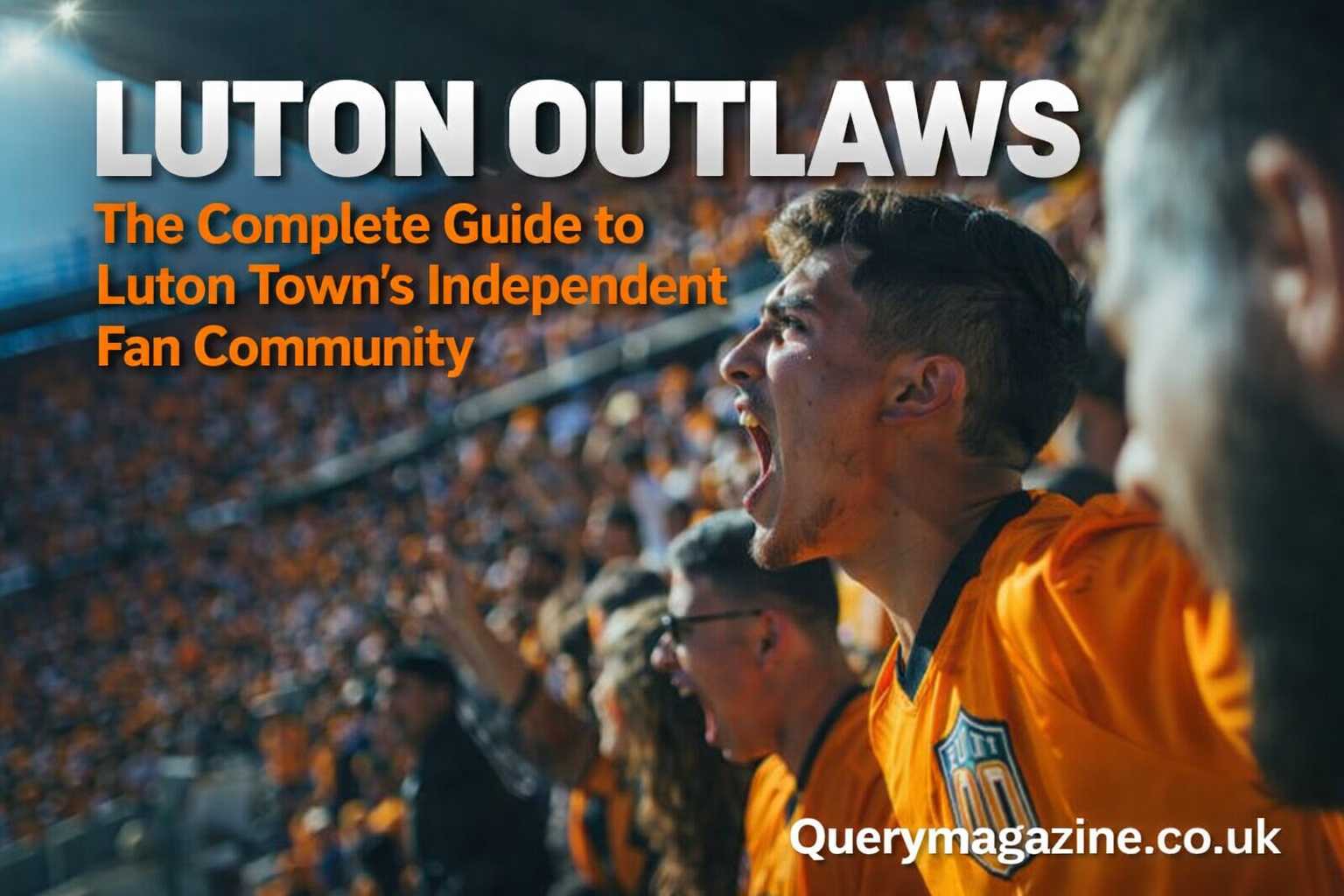
Football isn’t defined solely by goals, tactics, or trophies — it’s shaped by the supporters whose passion fuels every moment of the game. Among the most unique and fervent fan communities in English football are the Luton Outlaws, supporters of Luton Town FC who embody grassroots loyalty, raw expression, and unwavering dedication to their club. In this comprehensive guide, we explore the origins, evolution, culture, influence, controversies, and future of this remarkable fan community.
Introduction – Understanding the Luton Outlaws
Who Are the Luton Outlaws?
The Luton Outlaws are an unofficial, independent supporter community connected to Luton Town Football Club, known for their candid commentary, vocal matchday presence, and passionate loyalty. They don’t operate as a formal supporters’ trust or club affiliate — instead, their identity is defined by attitude: outspoken support, independent debate, and a deep emotional connection with the Hatters.
Unlike official supporter associations, the Outlaws have no membership structure. Fans participate voluntarily, unified by shared values rather than dues, titles, or formal roles. This grassroots spirit sets them apart in the world of modern football fandom.
Why They Matter to Luton Town FC and Fans
For many supporters, the Outlaws embody the heart of Luton Town’s fan culture — a blend of loyalty, authenticity, and spirited involvement. Through thick and thin — from promotions and relegations to ownership controversies — they remain a consistent voice for supporters who refuse to be passive observers.
Origins and History of the Luton Outlaws
Early Online Beginnings in the 2000s
The Luton Outlaws first emerged in the early 2000s, amid a surge of football fan messageboards across England. Fans craving open discussion beyond restricted official channels created their own space — an uncensored forum where opinions could be shared freely.
This era coincided with the rise of online community culture across football, where supporters of all clubs sought platforms to share insights, joy, frustration, and humour in real time.
Formation During the 2003 John Gurney Crisis
A transformative moment in the Outlaws’ early history was the controversial 2003 ownership of Luton Town by businessman John Gurney. His dramatic proposals and abrupt changes — including sacking a manager via letter and threatening club identity — ignited widespread supporter backlash. Fans coordinated responses and mobilized debates largely through online spaces like the Outlaws forum.
This period cemented the Outlaws’ activist mindset: outspoken voices, coordinated opposition to mismanagement, and a belief that supporter sentiment should matter.
From Protest to Permanent Fan Platform
Initially a reaction to club turmoil, the Outlaws evolved into a lasting digital community. Over years and seasons, the forum expanded into match discussions, transfer speculation, rivalry debates, and off-topic banter — effectively becoming a living archive of fan sentiment.
This growth reflected a broader trend: supporters increasingly used digital platforms not just for reaction but for building community, sharing memories, and connecting globally.
How the Outlaws Shaped Supporter Activism
Far from a fringe group, the Luton Outlaws helped define a participatory form of fan support — one that welcomed debate, held authorities accountable, and empowered members to voice strong opinions about club policies and performance.
This foundation has shaped modern fan activism at the club, contributing to supporter initiatives and strengthening local fan culture.
The Meaning Behind the Name
“Outlaws”: Identity, Independence, and Authenticity
The name “Outlaws” doesn’t imply lawlessness; it signifies independence from official control and a desire for uncensored expression. Early members chose the label to distance themselves from moderated, club-endorsed channels that many felt were overly restrictive.
Being an Outlaw means valuing honesty and open debate — even when opinions clash — and trusting supporters’ instincts about the club’s direction.
The Avenue of Evil: Nickname, Culture, and Reclaiming Criticism
A playful moniker associated with the Outlaws’ forum is The Avenue of Evil. Originally used by critics to label the forum as abrasive, members embraced the nickname as a badge of honour, symbolizing unfiltered dialogue rather than malice.
This reclamation illustrates the Outlaws’ culture of directness and humour — where sharp critiques are part of passionate support.
Luton Outlaws and Luton Town FC
Independent Support vs Club Influence
Although closely connected to the club through shared identity and allegiance, the Outlaws operate independently from Luton Town FC. They do not receive official endorsement or direction, which allows them to critique club decisions without constraint.
Journalists and local media often monitor the Outlaws’ discussions to gauge fan sentiment — demonstrating how independent supporter voices can influence broader narratives about the club.
Balancing Loyalty and Honest Criticism
A defining feature of the Outlaws is the balance between loyal support and candid critique. Members celebrate success but also hold management, ownership, and tactics accountable when necessary — believing that honest discussion strengthens the club’s long-term future.
This blend of support and scrutiny helps maintain meaningful engagement rather than passive fandom.
Fan-Led Watchdog Role and Influence on Club Decisions
While unofficial, the Outlaws have occasionally acted as a de facto barometer of supporter mood, influencing local reporting and fan-led initiatives. During controversies or tactical debates, their forums often become focal points for collective opinion.
Matchday Culture at Kenilworth Road
Creating the Terrace Atmosphere
At Kenilworth Road — Luton Town’s historic home stadium since 1905 — the Outlaws are a powerful presence. Known for colourful chants, coordinated banners, and a relentless voice throughout matches, they help turn fixtures into electric experiences.
This passionate terrace culture energises both players and fellow supporters, reinforcing the stadium’s reputation as one of English football’s most atmospheric grounds.
Chants, Banners, and Traditions
Typical chants like “Come On You Hatters” and “We Are Luton Town” resonate throughout matchdays, uniting fans and boosting morale.
Inventive banners often reflect local pride, humour, or fan commentary — serving as visual expressions of supporter identity.
Away Days and Traveling Support
The Outlaws don’t restrict themselves to home games. Many travel with the team across England, bringing their distinctive energy to away fixtures. This travel strengthens community bonds and expands the Outlaws’ footprint beyond Luton.
Players often acknowledge the boost provided by away support — an intangible advantage rooted in collective passion rather than sheer numbers.
Rivalries and High-Emotion Games
Matches against nearby rivals or historic foes are particularly charged, with Outlaws fans pushing creativity and coordination in chants and banners. These high-emotion games often generate some of the liveliest threads and discussions in the forum’s history.
The Luton Outlaws Forum Explained
Forum Structure and Discussion Boards
The Outlaws’ digital heart is their messageboard, with sections dedicated to match previews, post-match analysis, transfer talk, local news, and off-topic banter.
This structure encourages deep discussion and provides space for varied voices, from tactical analysis to cultural commentary.
Digital Evolution: From Messageboards to Multi-Platform Presence
While the forum remains central, the Outlaws have expanded across platforms like Twitter (X), Facebook groups, and independent fan media. This hybrid model allows long-form discussion to coexist with short-form amplification — broadening reach and accessibility.
Archives, Historical Value, and Fan Chronicles
The forum’s long-running threads effectively serve as archives of fan reactions over decades. These archived discussions document promotions, relegations, controversies, and memorable matches — offering a rich resource for anyone studying fan culture and club history.
Global Reach and International Community
Although rooted in Luton, the Outlaws attract fans worldwide. Supporters from outside the UK use the forum and social channels to stay connected and debate matches, creating a global community united by passion for the Hatters.
Community Engagement and Charity Work
Local Initiatives and Fundraising
Beyond football, the Luton Outlaws actively engage with their community. Over the years they’ve organised charity events, food drives, fundraisers, and outreach programs aimed at supporting local causes and underprivileged residents.
These efforts demonstrate that passionate football support can translate into meaningful social impact beyond the pitch.
Youth Mentoring and Passing the Torch
Outlaws members often mentor younger fans — sharing chants, traditions, and club history — ensuring that passion and knowledge transfer across generations.
This informal youth engagement strengthens community bonds and preserves the fan culture’s continuity.
Fans as Civic Contributors Beyond Football
Many Outlaws are involved in community projects that extend past football — from school partnerships to local business collaborations — reinforcing that the club and its supporters are integral parts of town life.
Identity, Loyalty, and Supporter Unity
Core Values of the Luton Outlaws
Shared values — honesty, loyalty, community, and autonomy — define what it means to be part of the Outlaws. These principles guide interactions on and off the pitch, creating unity despite differing opinions.
Intergenerational Continuity and Tradition
Longstanding members pass customs and traditions to newer fans, fostering an enduring culture rooted in shared experience and local identity.
Maintaining Unity During Challenging Times
Through promotions, relegations, and turbulent seasons, the Outlaws’ unity and resilience demonstrate how true support is measured not only in victories but in continued faithfulness.
Controversies, Criticism, and Misconceptions
Addressing Stereotypes About the Outlaws
Because the Outlaws value open debate and sharp commentary, outsiders sometimes misunderstand their culture as hostile or toxic. In reality, passionate critique isn’t the same as hate — and most discussions focus on club affairs, not personal attacks.
Dealing With Bad Actors in the Community
Like any large community, disagreements do arise. Moderators and veteran members often step in to maintain standards and discourage behaviour that undermines the group’s values.
Balancing Passion with Responsible Conduct
The Outlaws strive to maintain lively debate without crossing into harmful territory, demonstrating that passionate support can coexist with respectful engagement.
From Fringe Group to Fan Institution
The Luton Outlaws’ evolution from a small messageboard to a recognised part of Luton Town culture didn’t happen overnight. It took years of dedicated online presence, matchday tradition, influential debates, and community projects.
Today, they’re referenced in local journalism, football previews, and academic discussions about supporter culture — proof that independent fan voices can shape club identity without losing authenticity.
The Role of Luton Outlaws in Modern Football
In an era defined by corporate sponsorships, global media strategies, and polished PR messaging, groups like the Outlaws offer a counterbalance — a space where supporters can debate, criticise, celebrate, and belong without commercial filter.
Independent supporter forums preserve fan voice and cultural continuity — elements increasingly rare in top-level football.
The Future of Luton Outlaws
Challenges Ahead
The Outlaws face familiar challenges: onboarding younger fans accustomed to shorter social feeds, maintaining moderation standards, and sustaining the forum in a rapidly changing digital landscape.
Opportunities for Growth
Despite these challenges, the Outlaws have strengths: a rich archive, global diaspora of supporters, and a core identity capable of adapting to new platforms like podcasts and short-form social media content.
Expect continued engagement, multi-platform growth, and lively matchday creativity that keeps the Hatters atmosphere uniquely passionate.
Interesting and Lesser‑Known Facts About Luton Outlaws
- The nickname “The Avenue of Evil” came from critics and was embraced by the community as a sign of unfiltered discussion.
- The forum’s archives serve as a fan‑curated historical record of Luton Town’s journey across divisions.
- Luton Outlaws’ culture reflects the town’s working‑class identity and underdog spirit.
Frequently Asked Questions (FAQs)
Are the Luton Outlaws officially connected to Luton Town FC?
No. They are an independent supporters’ community with no official club affiliation.
When were the Luton Outlaws founded?
They emerged in the early 2000s, growing with online messageboard culture.
Can fans from outside Luton join the Outlaws?
Yes — the forum and digital platforms welcome fans from anywhere.
What sets the Outlaws apart from other fan groups?
Their focus on honest debate, grassroots identity, and independence sets them apart.
Is the forum still active today?
Yes — it remains a lively hub of discussion and community.
Conclusion – Why Luton Outlaws Still Matter
The Luton Outlaws are more than a fan group — they are a living expression of what football support can be: passionate, independent, reflective, and community‑driven. Their voice reminds the game that supporters aren’t just customers — they are custodians of tradition, culture, and emotional investment.
Whether through digital debates, matchday chants, or charitable initiatives, the Outlaws’ impact resonates both on and off the pitch — preserving the spirit of Luton Town FC for generations of fans to come.
ALSO READ ON: Cricfooty: The Ultimate Guide to Cricket Analysis, Community, and the Hybrid Sport