
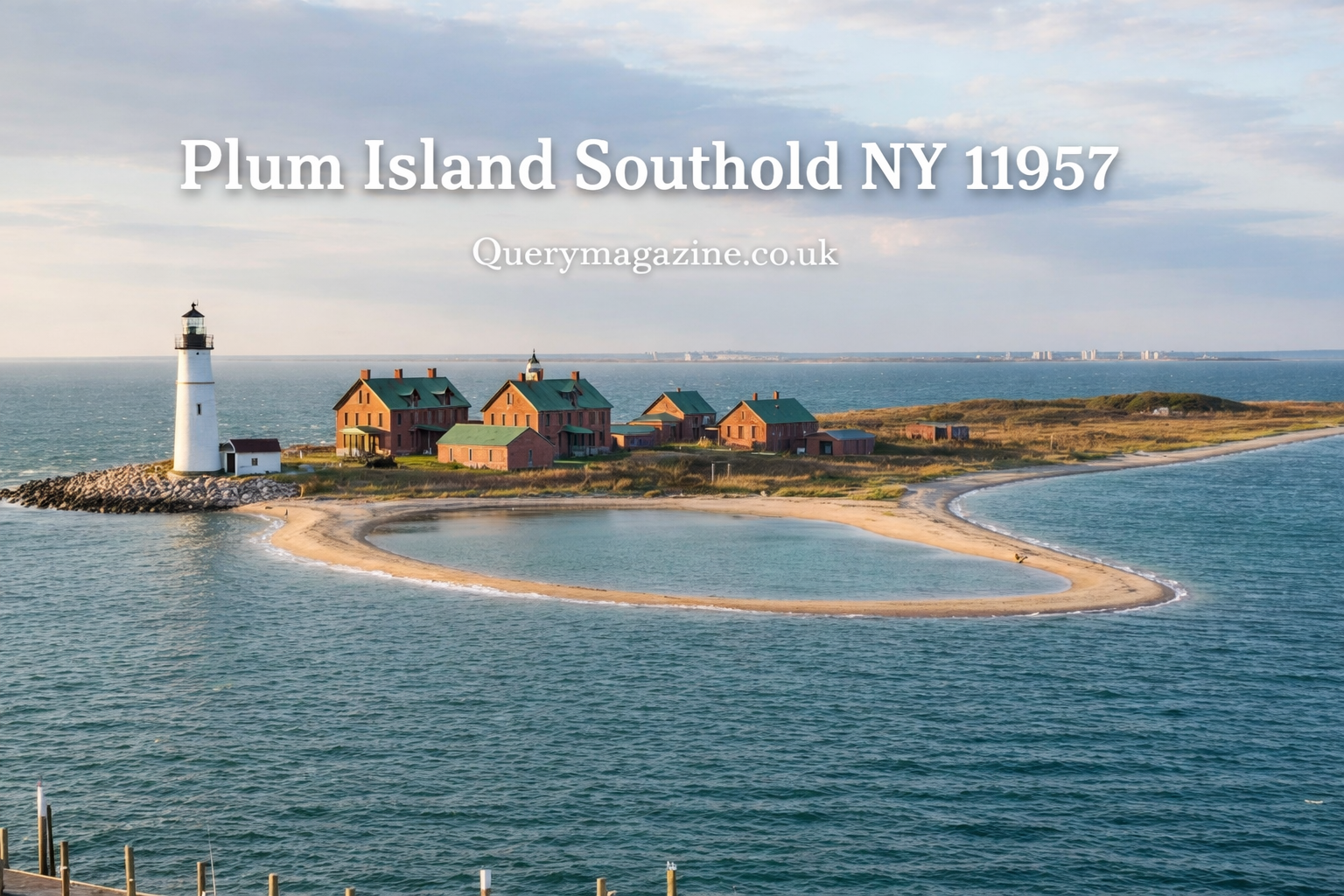
Nestled off the eastern tip of Long Island’s North Fork, Plum Island Southold NY 11957 is a place wrapped in mystery, natural beauty, and historical significance. Despite being largely inaccessible to the public, this 840‑acre island in Long Island Sound has captured the imagination of visitors, historians, bird watchers, and conservationists for decades — thanks to its role in military defense, scientific research, and wildlife habitat.
In this comprehensive guide, you’ll discover where Plum Island is, why it matters, what you can realistically experience nearby, and what the future holds for this unique piece of American shoreline.
Introduction to Plum Island Southold NY 11957
Plum Island lies off the coast of Southold, New York, in Suffolk County, just east of Orient Point. Though administratively part of Southold with ZIP code 11957, it isn’t a typical “tourist island” — rather, it’s a federally controlled landmass with a fascinating past and an even more intriguing future.
Widely recognized for its long‑running research facility and its ecological value, Plum Island has become a topic of national discussion as decisions about its preservation and public access take center stage.
Here’s what you need to know about this remarkable island that’s equal parts nature refuge and historical landmark.
Where Is Plum Island and How to Get There
Plum Island is located in Long Island Sound, roughly two miles off the coast of Orient Point on Long Island’s North Fork. With an area of approximately 840 acres (about 1.3 square miles), the island sits strategically between New York and Connecticut waters, near Fishers Island.
Location in Southold and the North Fork, Long Island
- Coordinates: Near the easternmost reaches of the North Fork
- Nearest Town: Southold, NY
- ZIP Code: 11957 (assigned to the nearby mainland)
- County: Suffolk
Though geographically simple to describe, Plum Island’s isolation has contributed to its mystique. It’s almost entirely surrounded by water, which historically made it ideal for both defense and scientific isolation — and later for wildlife habitat.
How to Get There
Public access to Plum Island itself is generally not permitted. There are no commercial ferries, no parking lots, and no tourism boats that dock there for sightseeing. Past access was limited to federal staff and authorized visitors, typically via government‑operated boats from Connecticut or Long Island.
If you want to visit the area, your closest points are not on the island itself but on the North Fork shoreline:
- Orient Point State Park: Offers coastal lookout spots toward Plum Island
- Local beaches and waterfronts near Southold and Orient Point provide public access and panoramic views
Viewing the island from these shorelines — especially with binoculars — offers the best experience for most travelers.
Can You Visit Plum Island? Access & Restrictions
For most visitors, the simple answer is: No — you cannot freely visit Plum Island. Access is highly restricted due to its federal status and historical use as a research site.
Public Viewing vs. Restricted Access
Plum Island has been under federal control for over a century and was most recently home to the Plum Island Animal Disease Center (PIADC), a government research facility. Because of the nature of the work conducted and biosecurity protocols, the island has not been open for casual tourism or public tours.
- Authorized access: Federal employees, scientists, contracted workers
- Unauthorized access: Not permitted
- Public tours: Rare and historically limited
Because of these restrictions, most people experience Plum Island from the shoreline or through aerial images — which only adds to its reputation as an elusive travel mystery.
Why Access Is Restricted
The main reason Plum Island remains closed is tied to its long‑term use as a research facility studying foreign animal diseases — including highly contagious livestock illnesses such as foot‑and‑mouth disease. The controlled environment was necessary to prevent accidental spread.
Even though operations are now moving off the island, the legacy of restricted access continues.
A Glimpse into Plum Island’s History
Plum Island’s story is one of layered historical roles — from early colonial ownership to coastal defense, scientific research, and now conservation debates.
Early History and Indigenous Presence
Long before European settlers arrived, the area around Plum Island was known and used by Indigenous peoples. Archaeological evidence suggests that Native American tribes utilized coastal islands for fishing, gathering, and seasonal activity long before the 17th century.
In the mid‑1600s, Europeans purchased the island as part of broader colonial expansion, and it began its documented history under British and later American control.
Military Significance and Fort Terry
In 1899, the U.S. government gained ownership of Plum Island, initially for military defense purposes as America prepared for potential naval threats. This led to the construction of Fort Terry, a coastal artillery installation designed to protect New York’s busy waterways.
- Construction began: Late 1890s
- Service: World War I and World War II
- Role: Coastal defense station
Fort Terry’s ruins remain today as silent reminders of early 20th‑century military strategy.
Plum Island Animal Disease Center (PIADC)
Perhaps the most defining chapter of Plum Island’s modern story began in 1954, when the Plum Island Animal Disease Center (PIADC) was established to study and contain highly contagious livestock diseases. It was the only U.S. laboratory authorized to work with live foot‑and‑mouth disease virus and other dangerous pathogens under strict biosafety standards.
The facility operated under the U.S. Department of Agriculture and later the Department of Homeland Security. Its mission included:
- Research and diagnosis of foreign animal diseases
- Training veterinarians and lab professionals
- Developing disease countermeasures
PIADC’s presence shaped public perception and contributed to the island’s aura of secrecy for decades.
Today, those operations are shifting to the National Bio and Agro‑Defense Facility (NBAF) in Kansas, with completion expected around 2026.
Best Time to Visit Plum Island: Seasonal Guide
Even though you can’t walk on Plum Island itself, the surrounding area offers compelling seasonal experiences worth planning around.
Spring — Migratory Birds & Fresh Coastal Air
Spring on the North Fork brings migrating birds, calm air, and vibrant coastal ecosystems. It’s an excellent time for bird watchers to position themselves along coastlines with views toward Plum Island, especially as shorebirds and songbirds make their annual passes.
Nature lovers often plan visits during April to May for optimal birdwatching and quieter crowds.
Summer — Longer Days & Active Wildlife
Summer offers long daylight hours and robust wildlife activity. While traffic can pick up on the North Fork, mornings and evenings around beaches and lookout points are serene and perfect for photography.
- June–August: Longer days, seasonal color, warm water views
Be mindful that peak summer tourism can make parking near shorelines busier, so plan to arrive early.
Fall & Winter — Quiet Beaches & Moody Skies
Fall colors and winter storms create dramatic landscapes along the Sound. While colder, these seasons bring quieter beaches and fewer visitors — a perfect backdrop for contemplative walks and photography.
Migratory bird movement peaks again in fall, making autumn a great choice for serious birdwatchers.
Top Shoreline Viewpoints and Scenic Photography Tips
Since the island itself isn’t open for most visitors, your best vantage points come from the North Fork’s public shorelines.
Eastern North Fork Lookouts
- Orient Point State Park: Offers sweeping views across Long Island Sound
- Local beaches near Southold: Calm public access spots with broad sightlines
Binoculars enhance your experience, especially for spotting birds, seals, and distant sails.
Optimal Photography Times & Settings
Good photography around Plum Island is all about light quality:
- Golden hour (sunrise/sunset): Warm tones and long shadows
- Overcast days: Muted, dramatic skies that enhance coastal textures
Because wind is common, a faster shutter speed helps capture sharp images. Even smartphone cameras can deliver excellent results with careful composition.
ALSO READ ON: Freely Agency: Complete Guide to Its Branding Philosophy and Travel Insurance Platform (2026)
Things to Do Near Plum Island
While Plum Island itself is largely off‑limits, the surrounding region is rich with activities and attractions that pair well with any visit.
Coastal Walks and Picnic Ideas
Take advantage of public shoreline access near Southold and Orient Point. Long, peaceful walks along the beach provide fresh ocean air and great views. Pack a picnic with sturdy foods and enjoy waterfront scenery with friends or family.
Local Attractions: Wineries, Farm Stands, and Small Hamlets
The North Fork is known for its laid‑back charm. Sample seasonal produce at local farm stands or visit nearby vineyards for tastings. Small coastal towns offer quaint shops, bakeries, and artisan goods that round out a relaxed day trip.
Even though the island is unseen up close, this nearby experience reinforces why the region is so beloved.
Birdwatching Hotspots
Plum Island sits along the Atlantic Flyway, a major migratory path for birds. Countless species — including piping plovers and roseate terns — use islands and coastlines as stopovers or breeding spots.
Bring binoculars, keep respectful distance from sensitive habitats, and let the nature around you unfold.
Wildlife and Nature Watching
The wildlife opportunities around Plum Island are extraordinary — even from a distance.
Birdlife — Migratory and Endangered Species
Over 200 bird species have been documented in and around Plum Island and its adjacent waters — nearly a quarter of all bird species in North America north of Mexico.
Some notable species include:
- Piping Plover (federally threatened)
- Roseate Tern (federally endangered)
- Osprey and other seabirds
- Songbirds and shorebirds during migration seasons
These sightings make the area a hotspot for birdwatchers, especially during spring and fall migrations.
Marine Life and Mammals
Plum Island’s surrounding waters are rich with marine life. Harbor and gray seals often haul out on rocky shores, especially in colder months. Striped bass, bluefish, and other game fish thrive in nearby water channels, making the region ecologically vibrant.
Habitats — Marshes, Dunes, and Forests
A mosaic of ecosystems — tidal flats, salt marshes, dunes, and coastal forests — supports both resident and migratory species. These habitats also play a vital environmental role, buffering mainland shorelines from storm surges and providing water filtration services.
Even without stepping on the island, the interplay of land, water, and wildlife offers compelling reasons to observe and protect this landscape.
Conservation Efforts and the Future of Plum Island
As PIADC relocates and federal lab operations wind down, the future of Plum Island is at a turning point. Local officials, conservation groups, and lawmakers are actively engaged in determining what comes next.
Preserve Plum Island Coalition and Ongoing Advocacy
Groups like the Preserve Plum Island Coalition (PPIC) are championing long‑term protection for Plum Island as a natural and cultural resource. Their vision includes establishing the island as a national monument, wildlife refuge, or preserve with measured public access.
Their efforts include legislative outreach, public education, and resource studies aimed at safeguarding the island’s ecological and historical assets.
Congressional Action and Preservation Legislation
Beginning in the early 2000s, there were plans to sell the island for private development — but thanks to strong pushback from residents, lawmakers, and environmental groups, those sale provisions were reversed in 2020. Today, Congress continues to debate legislation aimed at preservation and resource studies.
Senate and House bills introduced in 2024–2025 seek to secure studies, conservation funding, and long‑term protective designations. These efforts help elevate Plum Island’s profile beyond just a federal research site.
Local Government and Stewardship Discussions
Officials from Suffolk County have been approached by federal agencies to assume stewardship of the island once research operations fully cease — a step that could transition control from federal to local hands, ideally supporting conservation and managed access goals.
Vision for Public Access
While unrestricted access is unlikely due to ecological sensitivities, many advocates push for managed public access — including guided tours, wildlife viewing, and historical interpretation around sites like the Plum Island Light and Fort Terry.
Balancing protection with education and public enjoyment remains the central focus of ongoing discussions.
Sample Itineraries for Half‑Day and Full‑Day Trips
Even without landing on Plum Island, you can plan fulfilling time around its shoreline and nearby towns.
Half‑Day Itinerary: Shoreline Views & Nature
- Morning: Coffee in Southold
- Late Morning: Scenic lookout near Orient Point
- Lunch: Local picnic on the beach
- Afternoon: Birdwatching with binoculars toward Plum Island
This gentle plan prioritizes nature and relaxation — ideal for photographers and quieter visitors.
Full‑Day Itinerary: Nature + Local Culture
- Early Morning: Capture sunrise over the water
- Midday: Visit a local vineyard or farm stand
- Afternoon: Walk a coastal trail with wildlife spotting
- Evening: Dinner with sunset views
This itinerary blends nature viewing with local flavor, making it a complete North Fork experience.
Where to Eat and Refuel Around Southold
North Fork cuisine leans toward fresh, local, and seasonal. Think waterfront cafés, casual eateries, and artisan bakeries that complement the laid‑back coastal atmosphere.
Coffee & Breakfast
Start your day with a seaside espresso or hearty breakfast sandwich in Southold or Orient Point before heading to a shoreline vantage point.
Picnic Supplies & Light Lunches
Farm stands and small markets along the North Fork offer fresh fruits, artisanal breads, and takeaway lunches perfect for a wind‑blown picnic.
Dinner & Evening Eats
From seafood shacks to refined coastal bistros, Southold’s evening dining options are both relaxed and satisfying. Local oysters, clams, and seasonal fare highlight the region’s maritime roots.
FAQs About Plum Island Southold NY 11957
Is Plum Island open to tourists?
No. Plum Island remains off‑limits to the general public due to its historical federal use and biosecurity concerns. Panoramic views from public shorelines are the main way most visitors experience it.
What should I pack for a visit?
Bring layers for changing wind and weather, comfortable walking shoes, binoculars for wildlife viewing, and a camera. Snacks and water are always helpful for longer shoreline explorations.
How long should I plan to spend?
If you’re focused on views and photography, a few hours can suffice. For a more immersive day combining local attractions and nature, plan for a full day.
Conclusion: Why Plum Island Is a Natural and Historical Treasure
Plum Island Southold NY 11957 stands at the intersection of nature, history, and scientific legacy. Its restricted access and federal history have preserved ecosystems few other coastal sites still boast, making the surrounding waters and shorelines dynamic habitats for wildlife and migratory birds.
Today, as research operations shift away and conversations about conservation intensify, the island is poised for a future that could finally invite public appreciation — managed through stewardship, educational programs, and ecological protection.
Whether you come for the birds, the history, the landscapes, or simply the curiosity that surrounds this quiet island, Plum Island remains a hidden gem in the heart of the North Fork — waiting to be seen, respected, and preserved for generations to come.
ALSO READ ON: Beliktal: Complete Guide to the Hidden Destination, Culture, Lake, Adventures & Digital Meaning