
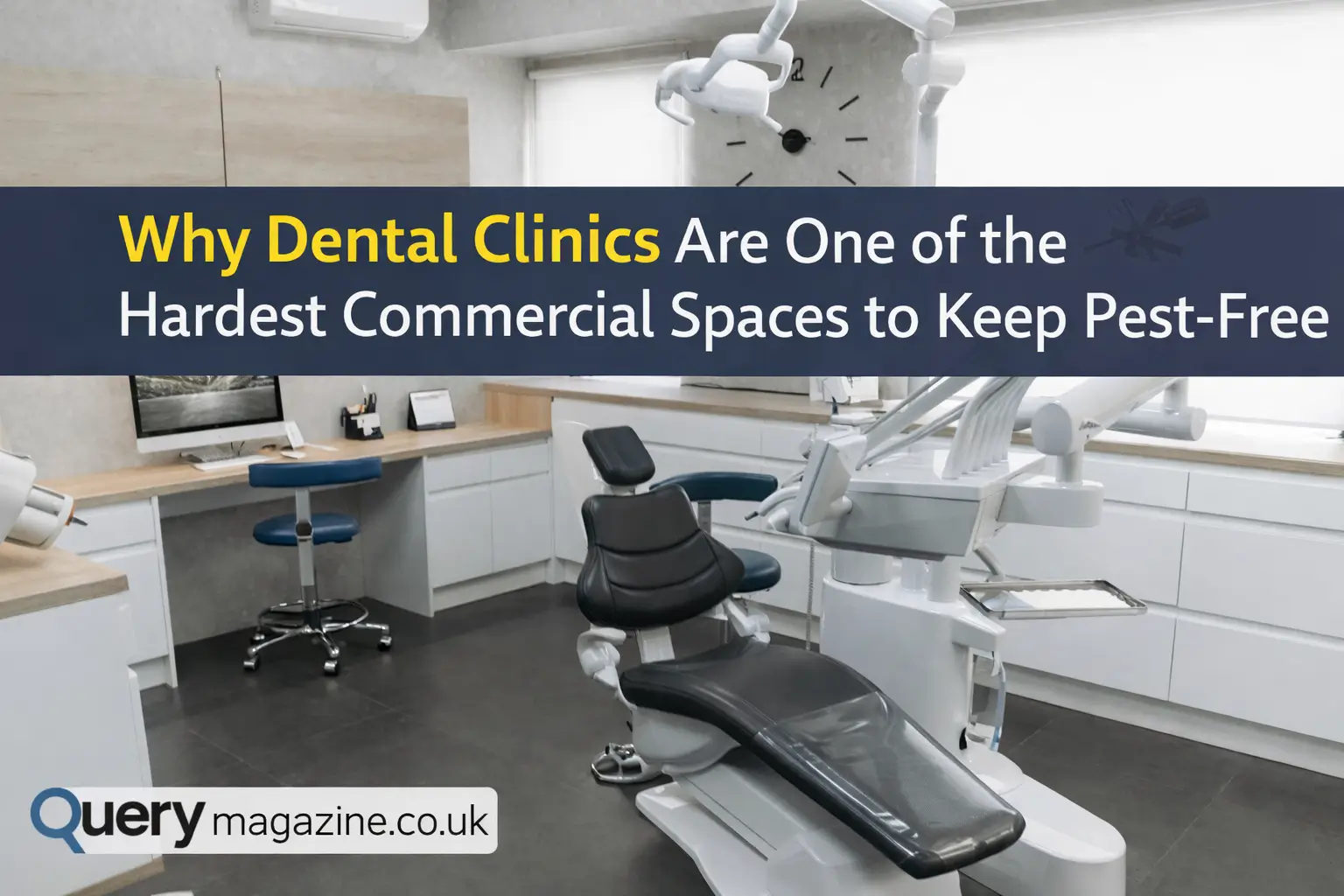
Dental clinics are among the cleanest commercial environments, yet they remain surprisingly vulnerable to pest problems. A well-maintained dental clinic in Sydney may follow strict sterilisation protocols, maintain spotless treatment areas, and still experience pest activity behind the scenes. This creates a common misconception that cleanliness alone prevents infestations.
In reality, clinical hygiene and pest prevention are not the same. The conditions required to operate a dental clinic, such as moisture, constant activity, and hidden structural spaces, can unintentionally support pest survival. Because of this, many clinics require a structured pest control service to manage risks that are not visible during daily operations.
Why Dental Clinics Naturally Attract Pests
Dental clinics create an environment that supports pest activity, even when they appear clean. One of the main factors is moisture. Sinks, dental units, suction systems, and sterilisation equipment generate consistent damp conditions, which attract pests that rely on water to survive.
Another factor is organic residue. While clinics are not food-focused spaces, microscopic particles from dental procedures, along with minor food waste in staff areas, can provide enough sustenance for pests. These small but consistent sources are often overlooked.
Waste management also plays a role. Clinical waste, general rubbish, and packaging materials are temporarily stored before disposal. If these areas are not tightly controlled, they become reliable food sources. These conditions are part of everyday operations, which means the risk is ongoing rather than occasional.
Hidden Entry Points That Allow Infestations to Develop
The structure of a dental clinic includes multiple hidden areas that pests can use to enter and remain undetected. Plumbing systems are one of the most common access points. Pipes and drains connect internal spaces to external environments, creating pathways for pests.
Wall cavities and false ceilings provide sheltered routes where pests can move freely without being seen. These spaces are rarely inspected, allowing infestations to grow unnoticed. Storage rooms also present a risk. Supplies and equipment stored for long periods create undisturbed areas where pests can nest.
Even small structural gaps can become entry points. Cracks around pipes, worn seals, and minor building shifts create openings large enough for pests to access the facility. Without targeted monitoring, these vulnerabilities remain unaddressed.
Why Standard Cleaning Does Not Prevent Pest Problems
There is a clear difference between cleaning and pest prevention. Cleaning focuses on visible hygiene, such as disinfecting surfaces and sterilising instruments. Pest prevention, however, requires addressing environmental conditions that support pest survival.
A clinic can appear spotless while still offering moisture, warmth, and hidden food sources. Pests are not attracted to visible dirt alone. They respond to conditions that allow them to survive and reproduce.
Another limitation is accessibility. Cleaning routines focus on visible areas, while pests often inhabit hidden spaces such as ceilings, wall cavities, and areas beneath equipment. These locations are not typically reached during standard cleaning.
High human traffic also increases risk. Patients, staff, and deliveries create constant movement, making it easier for pests to enter and spread within the facility.
Risks Pests Create in Dental Environments
Pest activity in a dental clinic has serious implications. Contamination is one of the primary concerns. Pests such as cockroaches and flies can carry bacteria and transfer it onto surfaces and equipment, affecting hygiene standards.
There is also an impact on patient perception. Even a single sighting can reduce trust in the clinic’s cleanliness, regardless of actual hygiene practices. In healthcare environments, perception plays a significant role in maintaining credibility.
Operational risks are another factor. Rodents can damage wiring and equipment, leading to costly repairs and disruptions. Clinics must also meet strict compliance requirements, and pest activity can raise concerns during inspections.
These risks show that pest issues are not isolated problems but broader operational challenges.
The Role of Building Conditions in Pest Activity
Building conditions play a major role in pest vulnerability. Poor ventilation, excess humidity, and moisture build-up create ideal conditions for pests. Leaks and drainage issues further increase the risk.
Structural gaps and ageing infrastructure also contribute. Over time, buildings develop small openings that allow pests to enter. These entry points are often difficult to detect without detailed inspection.
In shared commercial buildings, pests can move between units through connected systems such as pipes and ceilings. This makes it difficult to contain infestations without addressing the building as a whole.
Why Professional Pest Control Is Necessary
Managing pest risks in a dental clinic requires more than routine cleaning. This is where a professional pest control service becomes essential. Pest management focuses on identifying and addressing the underlying causes of infestations.
Regular inspections help detect early signs of pest activity and locate hidden entry points. Preventive treatments reduce the likelihood of infestations developing, rather than reacting only when pests become visible.
Professional services also support compliance by maintaining records of inspections and treatments. This is particularly important in healthcare environments where standards must be consistently met.
Most importantly, pest control in clinical settings is designed to be safe and controlled, ensuring that treatments do not interfere with patient care.
Why a Proactive Approach Works Better
Waiting for visible pest activity is not an effective strategy. By the time pests are seen, the infestation is often already established. A proactive approach focuses on prevention rather than reaction.
This includes regular inspections, proper waste management, and addressing structural vulnerabilities. When combined with professional pest control, these measures significantly reduce long-term risk.
For a dental clinic in Sydney, maintaining a pest-free environment requires consistent monitoring and attention to both visible and hidden factors.
Conclusion
Dental clinics present unique challenges when it comes to pest control. Despite high hygiene standards, factors such as moisture, waste, structural gaps, and constant activity create conditions that pests can exploit.
Understanding the difference between cleanliness and pest prevention is essential. A clean environment does not automatically mean a pest-free one. Addressing environmental and structural factors alongside professional pest control provides a more effective solution.
Maintaining a controlled and safe environment requires a proactive approach that goes beyond routine cleaning and focuses on long-term prevention.
FAQs
1. Why are dental clinics vulnerable to pests?
Moisture, waste, organic residue, and constant activity create conditions that attract pests.
2. Can a clean clinic still have pest issues?
Yes, because pests are attracted to environmental factors, not just visible dirt.
3. What areas are most at risk in a clinic?
Plumbing systems, storage rooms, ceilings, and waste areas are common risk zones.
4. Why is cleaning not enough to prevent pests?
Cleaning addresses visible hygiene, while pest prevention requires managing hidden conditions.
5. How does pest control help dental clinics?
It identifies root causes, prevents infestations, and ensures compliance with health standards.
6. How often should pest inspections be done?
Regular inspections, often quarterly, help detect and prevent problems early.