
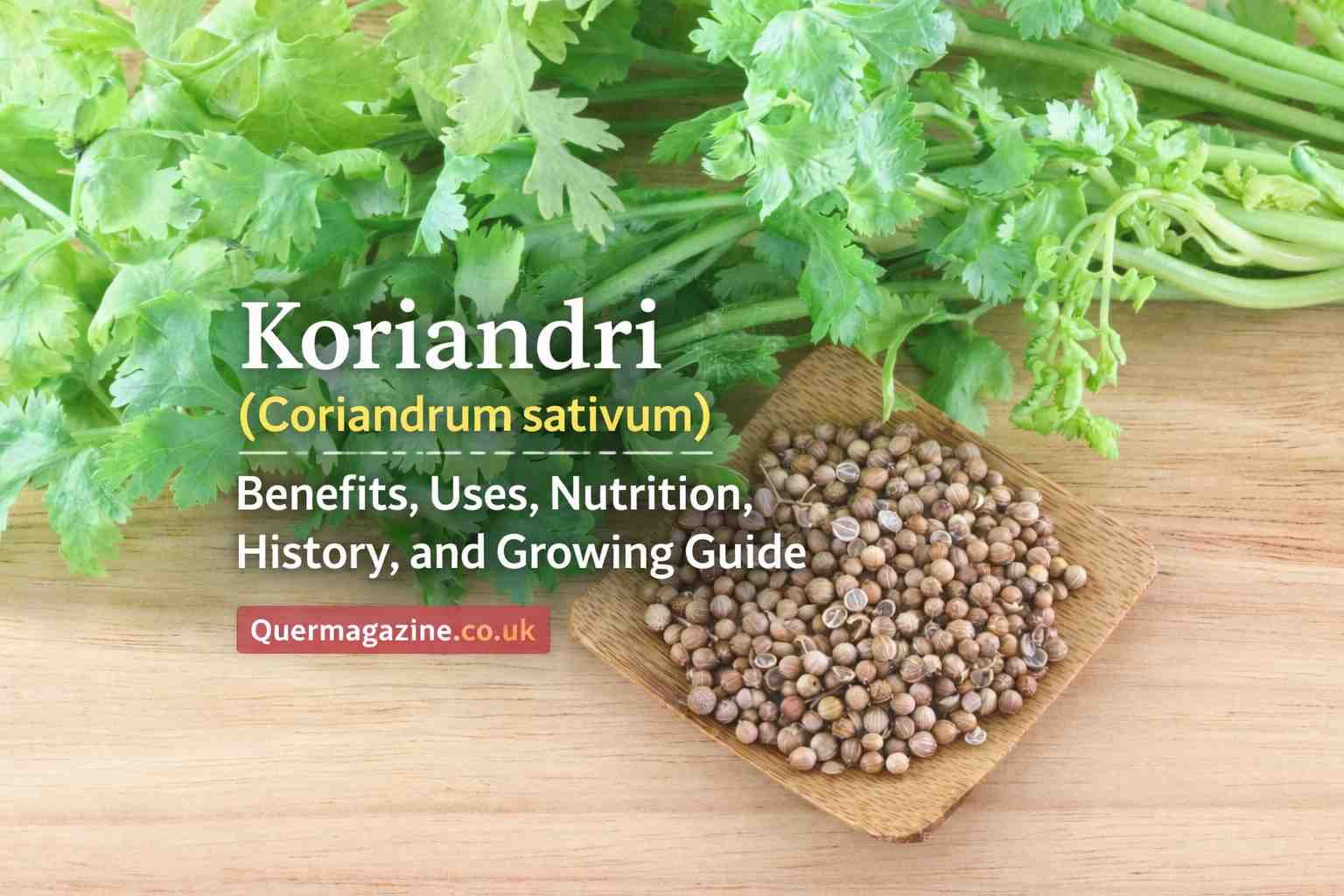
Koriandri is one of the most widely used herbs in global cuisine and traditional medicine. Known scientifically as Coriandrum sativum, this aromatic plant provides both fresh leaves (cilantro) and dried seeds (coriander), making it unique among culinary herbs. From Indian curries and Mexican salsas to Middle Eastern salads and Mediterranean spice blends, Koriandri plays a vital role in countless dishes worldwide.
Beyond its culinary value, Koriandri is also appreciated for its nutritional richness, medicinal properties, and agricultural benefits. Ancient civilizations used it as both a spice and a healing herb, while modern research highlights its antioxidant, digestive, and metabolic benefits. Today, Koriandri continues to thrive in home gardens, professional kitchens, and herbal medicine traditions.
This comprehensive guide explores the history, nutrition, health benefits, culinary uses, growing methods, and cultural significance of Koriandri.
What Is Koriandri?
Koriandri refers to the herb widely known as coriander or cilantro, derived from the plant species Coriandrum sativum. It belongs to the Apiaceae family, which also includes parsley, carrots, and celery.
One fascinating aspect of this plant is its dual culinary identity:
- Leaves are called cilantro and have a fresh, citrus-like flavor.
- Seeds are called coriander and produce a warm, nutty spice.
Because both parts have distinct flavors and uses, Koriandri is extremely versatile in cooking. It is widely used in cuisines such as Indian, Thai, Mexican, Middle Eastern, and Mediterranean dishes.
Botanical Description of Koriandri
Koriandri is an annual herbaceous plant that typically grows between 40 and 60 centimeters tall. The plant has soft, feathery green leaves that resemble parsley and produces small white or pale pink flowers in umbrella-shaped clusters called umbels.
After flowering, the plant develops small round fruits that eventually dry into coriander seeds.
Key botanical features
- Scientific name: Coriandrum sativum
- Family: Apiaceae
- Plant type: Annual herb
- Height: 40–60 cm
- Flowers: Small white or pink umbels
- Seeds: Round, aromatic spice seeds
The plant grows best in temperate climates with well-drained soil and moderate sunlight, making it suitable for both gardens and containers.
Scientific Classification of Koriandri
The botanical classification of Koriandri helps scientists identify its relationship with other herbs and plants.
Scientific taxonomy
- Kingdom: Plantae
- Order: Apiales
- Family: Apiaceae
- Genus: Coriandrum
- Species: Coriandrum sativum
This classification explains why coriander shares similarities with herbs like parsley, dill, and fennel.
Origins and Historical Background of Koriandri
Koriandri has a history that stretches back more than 7,000 years. Archaeological evidence suggests it was cultivated in the Mediterranean region and Southwest Asia before spreading to other parts of the world.
Seeds of coriander have even been discovered in ancient Egyptian tombs, showing its importance in early civilizations.
Ancient cultures valued the herb for multiple reasons:
- Egyptians used it in cooking and rituals.
- Greeks added coriander to wine and bread.
- Romans spread the herb across Europe through trade and conquest.
Over time, the herb became integrated into Asian, European, and American cuisines, making it a truly global ingredient.
Global Spread of Koriandri
Trade routes helped Koriandri travel across continents.
Key stages of its spread include:
- Mediterranean cultivation in ancient times
- Expansion into India and China through trade
- Adoption in European cooking during the Roman era
- Introduction to the Americas through colonial trade
Today, coriander is cultivated in countries such as India, Morocco, Russia, Mexico, and China, making it one of the world’s most widely grown herbs.
Nutritional Value of Koriandri
Despite being used in small amounts, Koriandri provides impressive nutritional value. Both the leaves and seeds contain essential vitamins, minerals, antioxidants, and plant compounds.
Fresh coriander leaves contain about 23–30 calories per 100 grams, while coriander seeds provide higher energy due to their concentrated nutrients.
Key nutrients in Koriandri
- Vitamin C
- Vitamin K
- Vitamin A
- Iron
- Magnesium
- Potassium
- Calcium
- Dietary fiber
These nutrients contribute to bone health, immune support, and metabolic balance.
Nutritional Table (Approximate per 100 g coriander seeds)
- Calories: ~298–345
- Protein: 12–15 g
- Fat: 17–18 g
- Carbohydrates: ~55 g
- Fiber: 41 g
- Iron: ~16 mg
- Potassium: ~1267 mg
These nutrients help support digestion, blood health, and heart function.
Top Health Benefits of Koriandri
Koriandri is widely used in herbal medicine due to its numerous health benefits.
Improves Digestive Health
Coriander seeds are commonly used to treat digestive issues such as bloating, indigestion, and stomach discomfort. The fiber and natural oils in the seeds support healthy digestion.
Supports Heart Health
Koriandri contains compounds that help regulate blood pressure and reduce excess sodium in the body. These effects contribute to better cardiovascular health.
Helps Control Blood Sugar
Research suggests that coriander seeds may help reduce blood sugar levels by stimulating enzymes that remove sugar from the bloodstream.
Because of this effect, people with diabetes should consume it carefully.
Anti-Inflammatory Properties
The herb contains antioxidants such as quercetin and polyphenols, which help reduce inflammation and protect cells from oxidative stress.
Studies show coriander seed extracts possess significant antioxidant activity.
Boosts Immune System
Antioxidants in Koriandri help protect the body from harmful free radicals, strengthening the immune system and reducing the risk of chronic diseases.
Promotes Skin Health
The herb’s vitamins and essential oils may support skin hydration, reduce acne, and protect against environmental damage.
Supports Bone Health
Koriandri leaves are rich in vitamin K, which plays an important role in bone formation and repair.
Detoxification Benefits
Coriander acts as a natural diuretic that helps remove toxins and excess sodium from the body, supporting kidney health.
Culinary Uses of Koriandri Around the World
Koriandri is a staple herb in many global cuisines.
Koriandri Leaves (Cilantro)
Fresh cilantro leaves provide a bright, citrusy flavor and are commonly used as a garnish.
Common uses include:
- Salsa and guacamole
- Thai noodle soups
- Indian chutneys
- Vietnamese pho
- Mexican tacos
Koriandri Seeds (Coriander)
Coriander seeds have a warm, slightly sweet flavor and are widely used in spice blends.
Popular uses include:
- Curry powder
- Garam masala
- Pickling spices
- Marinades and sauces
Roasting the seeds before grinding enhances their aroma and flavor.
Popular Dishes Made With Koriandri
Many iconic dishes rely on the flavor of coriander.
Examples include:
- Indian biryani
- Mexican salsa verde
- Middle Eastern tabbouleh
- Mediterranean falafel
- Indian coriander chutney
These dishes showcase the herb’s ability to enhance both fresh and cooked foods.
Koriandri Leaves vs Coriander Seeds: What’s the Difference?
Although they come from the same plant, coriander leaves and seeds have very different flavors.
| Feature | Leaves | Seeds |
|---|---|---|
| Flavor | Fresh, citrusy | Warm, nutty |
| Usage | Garnish and fresh dishes | Spice blends and cooking |
| Form | Fresh herb | Dried spice |
Understanding this difference allows chefs to create balanced flavor layers in recipes.
Why Does Koriandri Taste Like Soap to Some People?
Some people experience a soapy taste when eating cilantro leaves. This reaction is caused by genetic differences related to smell receptors.
Research suggests a gene called OR6A2 detects aldehyde compounds in cilantro that resemble the scent of soap.
Because of this genetic trait:
- Some people love cilantro.
- Others strongly dislike it.
Interestingly, coriander seeds rarely produce this effect.
How to Grow Koriandri at Home
Growing Koriandri is easy and rewarding.
Soil Requirements
Use well-drained soil rich in organic matter.
Sunlight Needs
The plant grows best with 4–6 hours of sunlight daily.
Watering Guide
Water regularly but avoid overwatering to prevent root rot.
Harvesting Leaves
Leaves can be harvested within 3–4 weeks.
Collecting Seeds
Allow the plant to flower and dry before collecting the seeds.
Koriandri can also be grown in pots, balconies, or small kitchen gardens, making it ideal for urban gardening.
Best Ways to Store Koriandri
Proper storage helps preserve flavor and nutrients.
Storing Fresh Leaves
Wrap leaves in damp paper towels and store them in the refrigerator.
Freezing Cilantro
Chop leaves and freeze them in ice cube trays with water or oil.
Storing Coriander Seeds
Keep seeds in airtight containers away from heat and moisture.
Koriandri in Traditional Medicine
Koriandri has been used in herbal medicine for centuries.
Ayurveda
In Ayurvedic medicine, coriander is considered a cooling herb used to aid digestion and detoxification.
Chinese Medicine
Traditional Chinese remedies use coriander to improve circulation and digestion.
Unani Medicine
Unani practitioners use coriander to treat digestive issues and regulate body functions.
Non-Culinary Uses of Koriandri
Beyond cooking, Koriandri has several practical uses.
- Aromatherapy: Essential oils provide calming effects.
- Skincare: Used in herbal creams and natural cosmetics.
- Natural breath freshener: Leaves help fight bad breath.
- Garden pest repellent: Its strong aroma deters certain insects.
Koriandri in Sustainable Farming
Koriandri plays a helpful role in sustainable agriculture.
Benefits include:
- Attracting pollinators like bees
- Improving biodiversity
- Supporting crop rotation systems
- Serving as a companion plant
Because it grows quickly and requires minimal resources, it is suitable for eco-friendly farming practices.
Side Effects and Precautions of Koriandri
Koriandri is generally safe when consumed in normal amounts, but some precautions are necessary.
Possible concerns include:
- Allergic reactions in sensitive individuals
- Low blood sugar in diabetic patients
- Interactions with blood-thinning medications
Moderate consumption is recommended.
Koriandri vs Parsley: Key Differences
Koriandri and parsley often look similar but differ significantly.
| Feature | Koriandri | Parsley |
|---|---|---|
| Flavor | Citrus-like and aromatic | Mild and grassy |
| Leaves | Rounded and delicate | Sharper edges |
| Usage | Asian and Latin cuisine | Mediterranean dishes |
Understanding the difference helps cooks select the right herb.
Easy Recipes Using Koriandri
Fresh Koriandri Chutney
Blend cilantro leaves with garlic, green chili, lemon juice, and salt.
Coriander Chicken Curry
Cook chicken with yogurt, coriander powder, turmeric, and fresh cilantro.
Spiced Koriandri Rice
Add roasted coriander seeds to sautéed vegetables and basmati rice.
Koriandri Herbal Tea
Boil coriander seeds with ginger and fennel for a digestive tea.
Koriandri Salad Dressing
Mix chopped cilantro, olive oil, lime juice, honey, and cumin.
Cultural Significance of Koriandri
Koriandri has symbolic meaning in many cultures.
In ancient traditions, the herb was associated with health, prosperity, and protection. Some cultures used coriander seeds in wedding rituals or festivals.
Today, it remains a beloved herb in kitchens around the world.
Final Thoughts on Koriandri
Koriandri is far more than a simple kitchen herb. With thousands of years of history, impressive nutritional value, and countless culinary uses, it has become a cornerstone of global cuisine.
Whether used fresh as cilantro or ground as coriander spice, this plant offers flavor, health benefits, and cultural heritage. Growing easily in gardens and containers, Koriandri continues to connect tradition with modern wellness.
Frequently Asked Questions
What is Koriandri?
Koriandri refers to the herb Coriandrum sativum, whose leaves are called cilantro and seeds are known as coriander.
What are the benefits of Koriandri?
Koriandri supports digestion, heart health, immune function, and blood sugar regulation due to its antioxidants and nutrients.
Why does Koriandri taste like soap to some people?
A genetic variation involving the OR6A2 smell receptor makes certain people sensitive to aldehyde compounds in cilantro.
Can Koriandri be grown at home?
Yes, it grows easily in pots or garden beds with sunlight, well-drained soil, and regular watering.
How do you store fresh Koriandri?
Keep leaves in the refrigerator wrapped in damp paper towels or freeze them for longer storage.
ALSO READ: Kinza Herb (Cilantro): Benefits, Nutrition, Uses, Skin Care, Growing Guide & Side Effects