
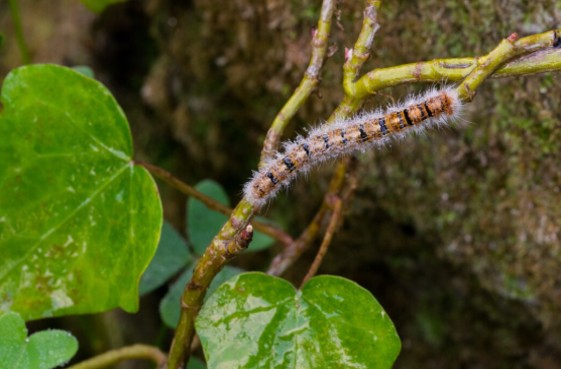
Garden trees add beauty, shade, and sometimes fresh fruit to outdoor spaces. Many homeowners plant apple trees, cherry trees, maple trees, or decorative landscape trees to improve their yards. However, these trees can sometimes attract pests. One of the most common pests that affect garden trees is the caterpillar.
Caterpillars are the early life stage of many moths and butterflies before they develop into adult insects.While some species are harmless, others can cause serious damage to trees. Certain species such as the Eastern Tent Caterpillar, Forest Tent Caterpillar, and Fall Webworm are known for feeding on tree leaves in large groups. When infestations occur, these insects can strip trees of their foliage and weaken the plant.
A caterpillar infestation on fruit trees or ornamental trees can affect plant health, reduce fruit production, and damage the overall appearance of the tree. Because these pests often gather in clusters and create web-like nests, infestations can spread quickly if not addressed early.
Understanding how to identify and treat caterpillar infestations on garden trees is essential for maintaining a healthy landscape. Early detection and proper caterpillar pest control methods can help protect trees and prevent severe damage.
Understanding Caterpillar Infestation on Fruit Trees
Fruit trees are particularly attractive to caterpillars because their leaves provide a rich food source.
Why Caterpillars Target Fruit Trees
Many caterpillar species prefer trees such as apple, plum, pear, and cherry. These trees produce tender leaves that are easy for larvae to consume.
Species like the Eastern Tent Caterpillar (Malacosoma americanum) commonly appear in spring. They build silk nests in tree branches and feed on surrounding leaves.
When populations grow, large groups of caterpillars may quickly consume significant portions of the tree’s foliage.
Signs of Caterpillar Damage on Leaves and Branches
One of the first signs of an infestation is visible damage to leaves.
Caterpillars chew irregular holes in the foliage. In severe infestations, leaves may appear skeletonized or completely missing.
You may also notice silk webs or tents forming in the branches of the tree. These nests provide shelter for caterpillars while they feed nearby.
Another common sign is the presence of caterpillar droppings, which may appear as small dark pellets on leaves or beneath the tree.
How Infestations Affect Fruit Growth and Yield
When fruit trees lose large numbers of leaves, the tree cannot produce energy efficiently through photosynthesis.
Reduced leaf coverage weakens the tree and limits its ability to produce healthy fruit. Severe infestations may reduce fruit yield or cause fruit to develop poorly.
Repeated infestations over multiple seasons can also stress the tree and make it more vulnerable to disease.
Caterpillar Pest Control for Ornamental Trees
Ornamental trees are also vulnerable to caterpillar infestations.
Common Caterpillar Species Found on Landscape Trees
Several caterpillar species commonly attack landscape trees.
Examples include the Forest Tent Caterpillar (Malacosoma disstria) and the Fall Webworm (Hyphantria cunea). These insects often appear on trees such as oak, maple, birch, and elm.
While the feeding habits of these species vary, many cause extensive defoliation when present in large numbers.
Damage Caterpillars Cause to Decorative Trees
Caterpillars can significantly affect the appearance of ornamental trees.
Because these trees are often planted for visual appeal, large patches of missing leaves or webbed branches can make the tree look unhealthy.
Defoliation can also slow tree growth and reduce the plant’s resistance to environmental stress.
Why Early Pest Control Is Important
Early detection is the key to effective caterpillar pest control.
Small infestations are easier to manage before caterpillars spread across the tree. Once the population grows, control becomes more difficult.
Regular inspection of tree branches and leaves can help identify infestations before they become severe.
Identifying Caterpillar Nests and Infestation Signs
Recognizing early warning signs can help prevent serious damage to trees.
Web-Like Nests in Tree Branches
Many caterpillar species create silk nests in tree branches.
These nests, often called caterpillar tents, appear as white or gray web-like structures attached to the branches. They are most commonly found in the forks where branches meet.
These tents serve as shelter for caterpillars while they rest between feeding periods.
Chewed Leaves and Defoliation
Another clear sign of infestation is leaf damage.
Leaves may show irregular holes, jagged edges, or complete removal. When many leaves are eaten, the tree may appear thin or sparse.
In severe cases, caterpillars can strip entire sections of a tree.
Caterpillars Gathering in Groups on Trees
Unlike many insects, caterpillars often feed in groups.
Clusters of larvae may be seen crawling along branches or feeding on leaves at the same time.
These groups are often visible during daylight hours and can indicate an expanding infestation.
Effective Methods for Controlling Caterpillars on Trees
Several pest control methods can help manage caterpillar infestations.
Natural Pest Control Techniques
Natural pest control methods are often used for smaller infestations.
For example, gardeners may remove caterpillar nests manually using tools such as pruning shears or sticks.
Another common approach involves encouraging natural predators such as birds and beneficial insects, which feed on caterpillars.
These natural solutions can help maintain ecological balance in the garden.
Safe Treatments for Fruit and Ornamental Trees
In larger infestations, treatments may be necessary.
Biological insecticides such as Bacillus thuringiensis (Bt) are commonly used in pest control. This naturally occurring bacterium targets caterpillars while remaining safe for many beneficial insects.
Horticultural oils and insecticidal soaps may also help control caterpillar populations when applied correctly.
These treatments should be used according to recommended guidelines.
Professional Caterpillar Removal Services
Severe infestations may require assistance from professionals tent caterpillar removal services or tree care specialists.
Professionals can evaluate the tree, identify the caterpillar species involved, and recommend appropriate treatment strategies.
Professional services may include nest removal, targeted treatments, and long-term pest management plans.
Preventing Caterpillar Infestations in Trees
Preventative care helps reduce the likelihood of future infestations.
Seasonal Tree Inspections
Regular inspections are an important part of tree maintenance.
Gardeners should examine tree branches and leaves during the spring and early summer when caterpillars are most active.
Identifying nests early allows for faster removal.
Proper Tree Care and Maintenance
Healthy trees are better able to resist pest damage.
Maintaining proper watering, pruning dead branches, and fertilizing trees when needed supports strong growth.
Healthy trees recover more quickly from minor pest damage.
When to Contact Tree Pest Control Experts
In some situations, infestations may become difficult to control.
Large numbers of caterpillars, repeated infestations, or damage affecting multiple trees may require professional evaluation.
Consulting tree care professionals or pest control experts ensures that treatment methods are appropriate and effective.
Conclusion
Caterpillar infestations are a common challenge for many garden trees, especially fruit trees and ornamental landscape trees. Species such as the Eastern Tent Caterpillar, Forest Tent Caterpillar, and Fall Webworm can cause significant damage when populations grow unchecked.
Fortunately, recognizing the early signs of infestation—such as silk nests, chewed leaves, and clusters of caterpillars—can help gardeners respond quickly.
Effective caterpillar pest control often involves a combination of strategies. Natural removal methods, biological treatments like Bacillus thuringiensis, and proper tree care practices can all help manage pest populations.
Regular inspections, healthy tree maintenance, and timely intervention are essential steps in protecting garden trees from damage.
By understanding how to identify and treat caterpillar infestations, homeowners and gardeners can keep their trees healthy, maintain attractive landscapes, and prevent pests from causing long-term harm to their plants.