
Understanding RFID and How It Works
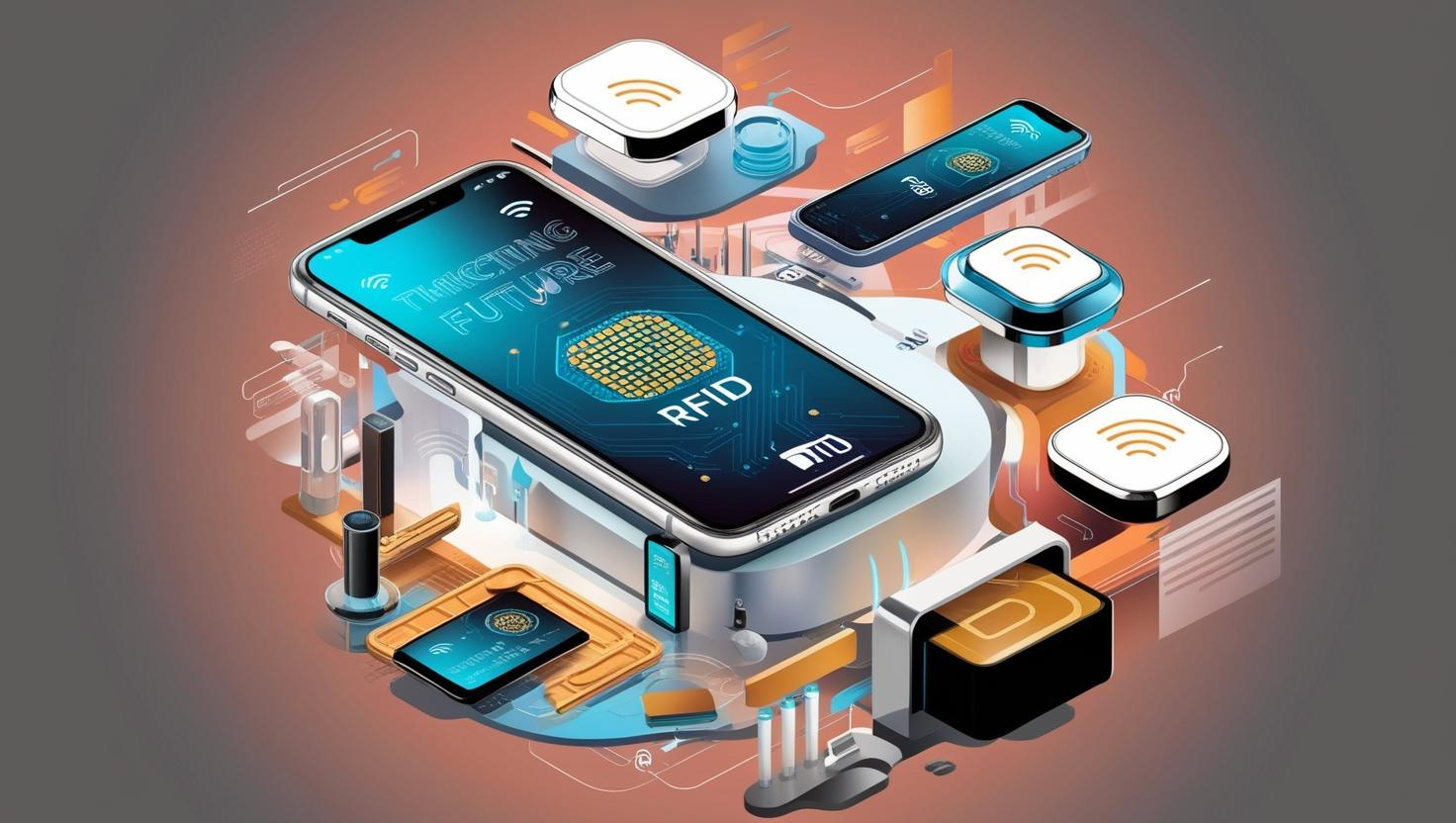
Radio Frequency Identification, commonly known as RFID, is a wireless technology that uses electromagnetic fields to identify and track objects automatically. It consists of three main components: a tag, a reader, and a database system. The RFID tag contains a microchip and an antenna, which stores data and transmits it to the reader. When the reader emits radio waves, the tag responds by sending back its stored information, enabling quick and contactless identification.
RFID systems are widely used because they eliminate the need for direct line-of-sight scanning, unlike traditional barcodes. This makes them highly efficient in environments where speed and automation are crucial. Whether embedded in products, cards, or even animals, . tags can store a wide range of data. As a result, businesses and industries are increasingly adopting this technology to streamline operations and improve accuracy in tracking systems.
Types of RFID Systems and Their Applications
RFID systems are generally categorized into three types based on frequency: low-frequency (LF), high-frequency (HF), and ultra-high-frequency (UHF). Each type has its own advantages and is suited for different applications. LF RFID is often used in animal tracking and access control due to its short read range and resistance to interference. HF Portiques RFID is commonly used in contactless payment cards and library systems, offering moderate range and speed.
UHF RFID, on the other hand, provides long-range capabilities and faster data transfer, making it ideal for supply chain management and inventory tracking. These systems can scan multiple tags simultaneously, significantly improving efficiency in warehouses and retail stores. RFID technology is also used in healthcare for patient tracking, in transportation for toll collection, and in security systems for access management, highlighting its versatility across industries.
Benefits of RFID Technology in Business Operations
One of the most significant advantages of RFID technology is its ability to improve operational efficiency. By automating the identification and tracking process, businesses can reduce manual labor and minimize human errors. This leads to faster inventory management, accurate data collection, and better decision-making. Companies can monitor stock levels in real time, preventing overstocking or shortages.
Additionally, RFID enhances security and reduces theft or loss of goods. With real-time tracking, businesses can quickly identify discrepancies and take action. It also improves customer experience by speeding up checkout processes and ensuring product availability. In logistics, RFID helps optimize supply chains by providing visibility at every stage, from production to delivery, ultimately increasing productivity and profitability.
Challenges and Limitations of RFID Implementation
Despite its many benefits, RFID technology also comes with certain challenges. One of the main concerns is the cost of implementation. Setting up RFID systems, including tags, readers, and software, can be expensive, especially for small businesses. Additionally, maintaining and upgrading the system requires ongoing investment, which may not be feasible for all organizations.
Another limitation is signal interference, which can affect the accuracy of data transmission. Materials such as metal and liquids can disrupt radio waves, leading to read errors. Privacy concerns also arise, as RFID tags can potentially be scanned without the owner’s knowledge. This has raised questions about data security and unauthorized tracking. Addressing these issues requires proper system design, encryption, and regulatory measures to ensure safe and effective use.
The Future of RFID and Emerging Innovations
The future of RFID technology looks promising, with continuous advancements making it more powerful and accessible. Integration with technologies like the Internet of Things (IoT), artificial intelligence, and cloud computing is expanding its capabilities. RFID systems are becoming smarter, enabling predictive analytics and real-time insights that help businesses make proactive decisions.
Innovations such as printable RFID tags and smaller, more efficient chips are reducing costs and increasing adoption across various sectors. Smart cities, automated retail stores, and advanced healthcare systems are just a few areas where RFID is expected to play a crucial role. As technology evolves, RFID will continue to transform how we track, manage, and interact with the world around us, making processes faster, safer, and more intelligent.