
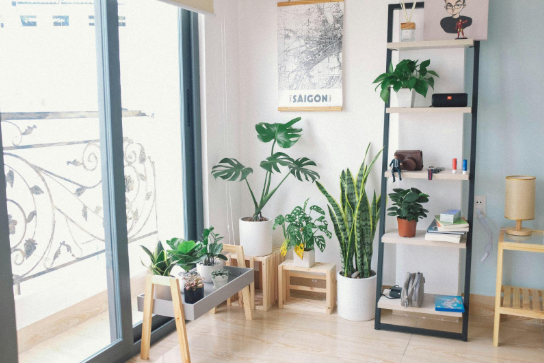
In today’s increasingly dense urban environments, the importance of natural materials and interaction with plants has increased immensely. For those longing for more nature in their lives, the solution is the modern green room: a space where plants take center stage, where the boundaries between indoors and outdoors soften, and where the rituals of daily life unfold in a setting that feels both grounding and quietly transportive.
Designing the ultimate green room in this sense is an exercise in atmosphere. It is not simply about filling a room with plants, but about creating an immersive environment that captures the essence of nature while remaining attuned to the rhythms of urban living. The most compelling examples feel layered and alive, shaped as much by light and air as by furniture and materials.
Light, Materials, and the Foundations of the Space
The foundation of any successful green room begins with light. Plants, of course, demand it, but so do people. Natural light should be maximized wherever possible, whether through large windows, glass doors, or even skylights in more ambitious renovations. The quality of light matters just as much as its quantity. Soft, diffused daylight creates a gentle ambiance that encourages lingering, while direct sunlight can be harnessed to highlight specific zones or plant groupings. In spaces where natural light is limited, carefully chosen grow lights can support plant health without compromising the overall aesthetic, particularly when integrated discreetly into shelving or ceiling fixtures.
Once light is established, the palette of materials begins to define the character of the room. A green room thrives on authenticity. Surfaces should feel organic, slightly imperfect, and rich in texture. Wood, in particular, plays a vital role, whether in the form of wide-plank flooring, sculptural furniture, or slatted wall treatments. Its warmth balances the coolness of greenery, creating a sense of harmony. Underfoot, a mosaic floor can introduce a tactile dimension that echoes natural patterns: think of subtle, stone-like tessellations that recall riverbeds or forest paths.
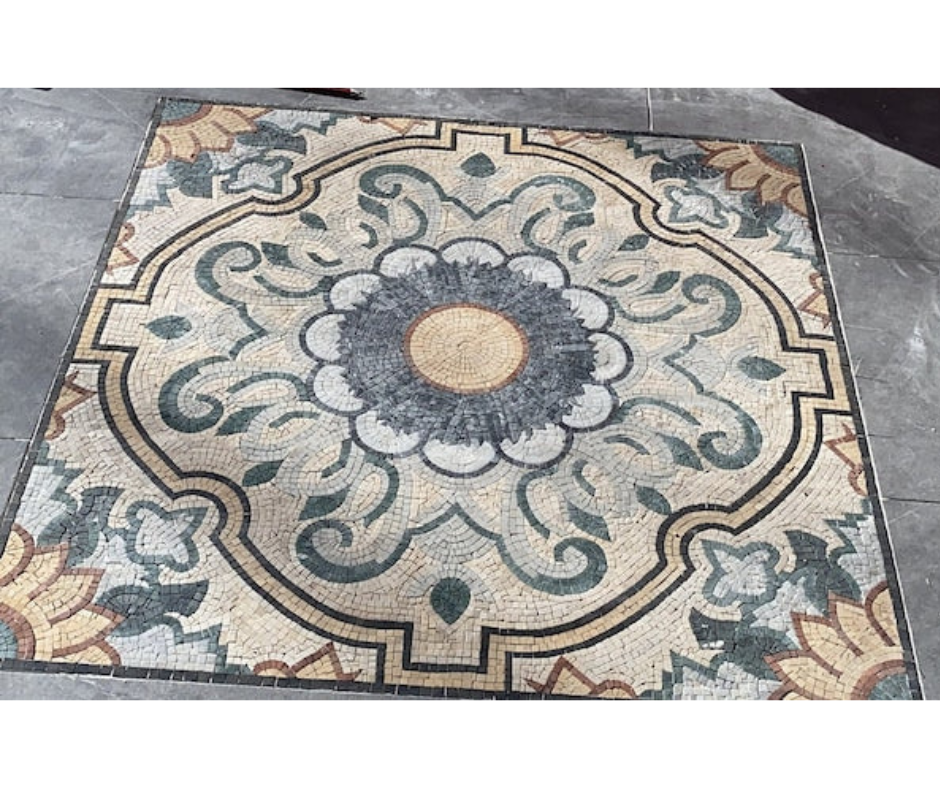
Stone is another material that lends itself beautifully to the green room. Its weight and permanence contrast with the delicate, ever-changing nature of plants. Incorporating natural stone mosaic tiles in select areas (perhaps as a backdrop for a seating nook or as a base for a built-in planter) can make the room look more intricate and interesting. At the same time, the durability of natural stone and its ability to withstand humid environments will put your mind at ease as you won’t have to worry about maintenance and materials deterioration.
Plants as Living Architecture
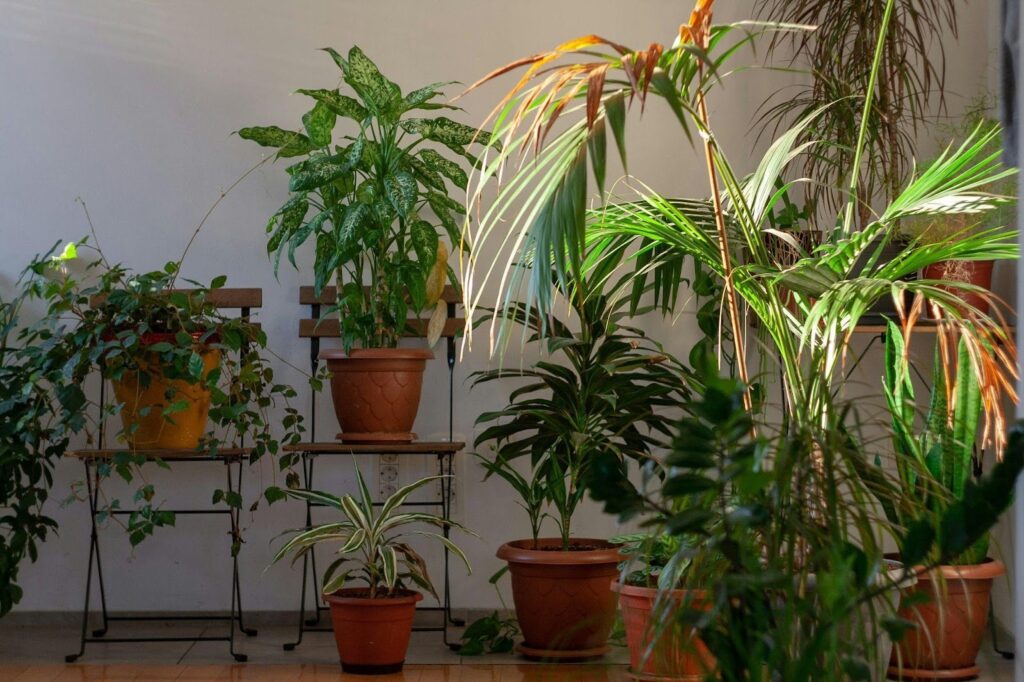
The arrangement of plants is, naturally, the heart of the design. Yet the ultimate green room resists the temptation to treat greenery as a decoration. Instead, plants are considered architectural elements, shaping the flow and perception of the space. Taller species can define boundaries or create a sense of enclosure, while trailing varieties soften edges and introduce movement. Groupings should feel intentional but not rigid, allowing for a sense of spontaneity that mirrors nature itself.
Variety is essential, but so is cohesion. A curated selection of plants, perhaps united by a common color palette or leaf shape, can create a more sophisticated effect than an indiscriminate collection. The interplay of textures becomes particularly important here. Broad, glossy leaves contrast beautifully with fine, feathery foliage, while the occasional flowering plant introduces a moment of color that feels all the more striking against a predominantly green backdrop.
Comfort, Layout, and Everyday Living
Furniture within the green room should feel comfortable and welcoming. This is not a space for rigid formality. Low-profile seating, such as deep armchairs or cushioned benches, is suitable for relaxation, while a well-placed chaise longue can transform a corner into the most relaxing corner of home. Materials again play a crucial role. Linen, cotton, and wool upholstery echo the natural theme, offering softness without excessive polish.
The layout should invite discovery. Rather than presenting the entire room at once, the ultimate green room unfolds gradually, with different zones revealing themselves as one moves through the space. A reading corner tucked behind a cluster of plants, a sunlit spot for morning coffee, or a quiet bench positioned to overlook the greenery – all contribute to a layered experience.
Atmosphere: Crafting Mood Through Sound and Detail
Sound and scent, though often overlooked, are powerful tools in shaping the atmosphere of a green room. The presence of plants naturally alters the acoustics, softening echoes and creating a more intimate environment. Water, when thoughtfully integrated, can elevate the green room to another level. The reflective quality of water interacts beautifully with light, creating shifting patterns that animate the space throughout the day.
To make the room not only beautiful but also functional, you need to consider storage options. Gardening tools, watering cans, and other necessities should be easily accessible yet discreetly housed. Built-in cabinetry or concealed storage solutions help maintain the visual serenity of the room, ensuring that functional elements do not disrupt the overall aesthetic. At the same time, a certain degree of imperfection can be embraced. A well-worn pot or a slightly weathered planter adds character, reminding us that this is a living, evolving space.
Lighting, as the day transitions into evening, takes on a different role. Artificial illumination should be warm and layered, echoing the softness of natural light. Floor lamps, table lamps, and discreetly placed LED strips can create pockets of glow that highlight specific areas while maintaining an overall sense of intimacy. On the other hand, if you are planning to grow plants that require a lot of sunlight while you live in the climate zone with shorter daylight hours, you may have to incorporate special lights that provide UV exposure to your plants collection to make sure they thrive.
A Sustainable Sanctuary for Modern Living
Sustainability, inevitably, is woven into the fabric of the green room. The very presence of plants invites a more conscious approach to design, encouraging choices that align with environmental responsibility. This might include selecting locally sourced materials, opting for reclaimed wood, or choosing energy-efficient lighting solutions. Even the act of caring for the plants becomes part of a broader, more mindful way of living.
What distinguishes the ultimate green room is not its size or its level of luxury, but its ability to slow us down and teach to appreciate every moment. In a city where space is often limited and life moves at an unrelenting pace, this room offers a pause. It is a place where one can step away from screens and schedules, where the simple act of sitting among plants becomes a way of self-care.